Porous Ceramic Materials: Types and Key Differences
-
2026-04-30 Industry News






Learn the main types of porous ceramic materials and their key differences in structure, strength, and common industrial applications like filtration and insulation.
In applications such as filtration, chemical processing, and high-temperature environments, porous ceramics have increasingly become a frequently discussed functional material. Unlike dense ceramics, these materials feature a controlled pore structure, giving them unique advantages in terms of permeability, heat resistance, and chemical stability. However, when selecting the right material, simply understanding the concept of “porous ceramics” is far from sufficient; differences between various material systems often directly impact performance and cost.
This article will provide a detailed analysis of the classification methods for common porous ceramics. By examining performance differences and application characteristics, it aims to help readers develop a clearer understanding of the selection process.
Types of Porous Ceramics
In practical engineering applications, classifying porous ceramics serves not only to distinguish between types but, more importantly, to provide a basis for subsequent selection. Different classification methods correspond to different performance considerations; therefore, it is essential to establish a clear classification logic before delving into the materials themselves.
1. Classification by Material System
The chemical composition of the material itself is the core factor influencing the performance of porous ceramics. For example, systems such as alumina, silicon carbide, and zirconia each have distinct strengths in terms of temperature resistance, corrosion resistance, and mechanical properties. This dimension is typically the first step in the selection process, as it directly determines whether the material can withstand specific operating conditions.
2. Classification by Pore Structure
The pore structure determines the material’s permeability and application methods. Common classifications include:
• Open-cell structure: Pores are interconnected, suitable for filtration, mass transfer, and similar applications
• Closed-cell structure: Pores are relatively independent, making it more suitable for thermal insulation or lightweight applications
In filtration applications, open-cell structures are more common, while closed-cell structures are also used in thermal insulation or structural applications.
3. Classification by Pore Size and Distribution
In addition to connectivity, pore size and distribution uniformity are equally critical. Different pore size ranges correspond to varying filtration precision or fluid flow capacity; therefore, this factor requires careful consideration in applications where separation performance is a key requirement.
4. Classification by Application Scenario
From a practical usage perspective, porous ceramics can also be categorized by application, such as filtration materials, catalytic supports, or high-temperature thermal insulation components. Different applications place varying emphasis on material properties; some prioritize permeability, while others prioritize thermal stability or structural strength.
Overall, the material system, pore structure, and application requirements often interact and influence one another. During the actual selection process, it is typically necessary to analyze these dimensions in combination rather than making decisions based solely on a single classification criterion.
Types of Porous Ceramic Materials
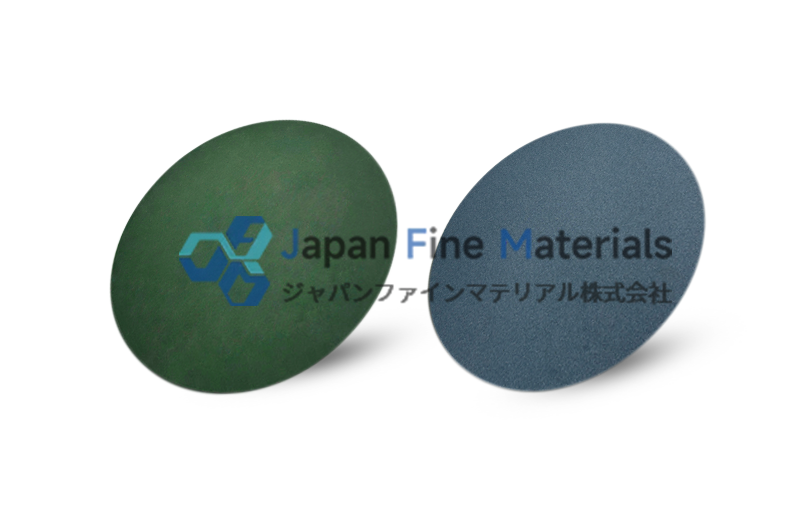
Porous Alumina Ceramics
Alumina-based systems are widely used in industry and offer good chemical stability and corrosion resistance. Their pore structure can be controlled within a certain range through processing, making them common in filtration and separation applications.
Typical characteristics:
• Good adaptability to various chemical media
• Relatively controllable cost structure
• Capable of being designed with a range of pore sizes
Common Applications:
• Liquid filtration systems
• Gas separation applications
• Support structures for catalytic carriers
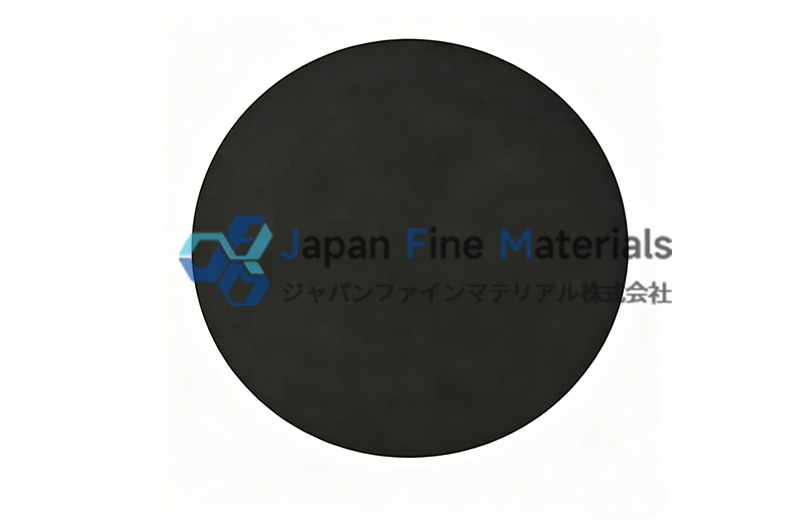
Porous silicon carbide ceramics
Silicon carbide materials are renowned for their high-temperature resistance and high thermal conductivity, demonstrating excellent adaptability in high-temperature environments or conditions with significant temperature fluctuations.
Key Features:
• Suitable for high-temperature environments
• High thermal conductivity, facilitating heat transfer
• Possesses a certain degree of structural resilience under thermal shock conditions
Common Applications:
• High-temperature gas filtration
• Filtration of molten metals (e.g., aluminum processing)
• Industrial furnace components
Porous zirconia ceramics
Zirconia materials offer certain advantages in terms of strength and toughness, making them suitable for applications with high mechanical performance requirements.
Typical characteristics:
• Good mechanical strength
• Some degree of adaptability to temperature fluctuations
• Relatively high material cost
Common applications:
Precision filtration assemblies
Structural components for special operating conditions
Medical-related materials (e.g., in the field of bioceramics)
Cordierite porous ceramics
Cordierite is known for its low coefficient of thermal expansion, offering certain advantages in environments with frequent temperature fluctuations.
Typical characteristics:
• Low thermal expansion
• Helps mitigate the effects of thermal stress
• Relatively balanced structural stability
Common Applications:
• Catalyst supports (e.g., honeycomb structures)
• Exhaust gas treatment systems
• Internal structures of heat treatment equipment
Other porous ceramic materials
In addition to common systems such as alumina, silicon carbide, zirconia, and cordierite, certain specialized applications also involve porous ceramic materials based on diatomaceous earth. Diatomaceous earth is a naturally porous mineral; although it is not a typical engineering ceramic material, it possesses high porosity and excellent adsorption properties. After shaping and sintering, it can serve as a viable pathway for creating porous structural materials.
Compared to traditional engineering ceramics, diatomaceous earth-based porous ceramics exhibit a more naturally irregular pore distribution, which gives them a certain degree of adaptability in specific filtration or pretreatment scenarios. At the same time, these materials typically offer cost advantages, making them suitable for applications where precision requirements are not particularly stringent but permeability is essential.
|
Material Type |
Key Features |
Suitable Applications |
|
Porous Alumina |
Good chemical stability, adjustable pore size |
Medium-to-high temperatures, corrosive environments |
|
Porous silicon carbide |
High-temperature resistance, good thermal conductivity |
High-temperature environments |
|
Porous zirconia |
Good strength performance |
Temperature fluctuations or precision applications |
|
Cordierite |
Low thermal expansion |
Thermal cycling environments |
|
Diatomaceous earth-based porous ceramics |
High porosity, relatively controllable cost |
Ambient to moderate temperature environments |
Key Differences Among Materials
In practical applications, the differences between porous ceramic materials are not merely reflected in their names but are primarily manifested in the combination of various performance parameters. Understanding these differences helps in making more targeted selections under different operating conditions.
1. Temperature Adaptability
There are significant differences among materials in terms of temperature resistance and thermal stability. For example, silicon carbide is more commonly used in high-temperature environments or those with significant temperature fluctuations, while alumina is more widely applied in medium-to-high-temperature conditions. In scenarios involving frequent temperature cycling, attention must also be paid to the material’s resistance to thermal shock to reduce the risk of structural cracking.
2. Chemical Stability and Corrosion Resistance
In environments involving acids, alkalis, or corrosive media, the chemical stability of the material is particularly critical. Alumina performs relatively consistently in most common chemical environments, while different ceramic systems may exhibit varying degrees of adaptability in specific media. Therefore, in chemical processing or water treatment applications, targeted evaluations based on the composition of the medium are typically required.
3. Mechanical Properties and Structural Strength
The porous structure itself affects material strength, and different materials exhibit varying levels of strength and toughness. For example, zirconia stands out in terms of mechanical properties and is better suited for applications requiring structural stability. However, in practical use, the balance between porosity and load-bearing requirements must also be comprehensively considered.
4. Pore Structure and Permeability
The pore size range, distribution uniformity, and connectivity of a material directly affect its fluid flow capacity and filtration efficiency. Engineering ceramics (such as alumina and silicon carbide) typically allow for the control of pore structure through manufacturing processes, whereas diatomaceous earth-based porous materials rely more on their natural pore characteristics, presenting different trade-offs between permeability and filtration precision.
5. Cost and Processing Characteristics
Differences in raw materials, forming, and sintering processes among various materials affect the overall cost structure. For example, alumina generally offers a good balance between performance and cost, while zirconia and certain specialty ceramics have relatively higher manufacturing costs. Additionally, different materials vary in their suitability for processing complex structures or meeting customization requirements.
Key Considerations for Selection
In practical applications, the selection of porous ceramics typically requires an assessment based on specific operating conditions, with the following aspects serving as key considerations:
1. Operating Temperature
Determine whether the environment involves high temperatures or temperature fluctuations, as different materials have varying tolerance ranges in this regard.
2. Type of medium
Distinguish between gases, liquids, or particulate-containing media, and determine whether they are corrosive, as this affects the material’s stability.
3. Pore Size and Permeability
Select the appropriate pore size range and structural configuration based on filtration precision or flow rate requirements.
4. Mechanical Strength
If pressure or external forces are present, consider the material’s load-bearing capacity within the porous structure.
5. Cost and Service Life
Conduct a simple assessment of the overall investment by considering the service life and replacement frequency.
Conclusion
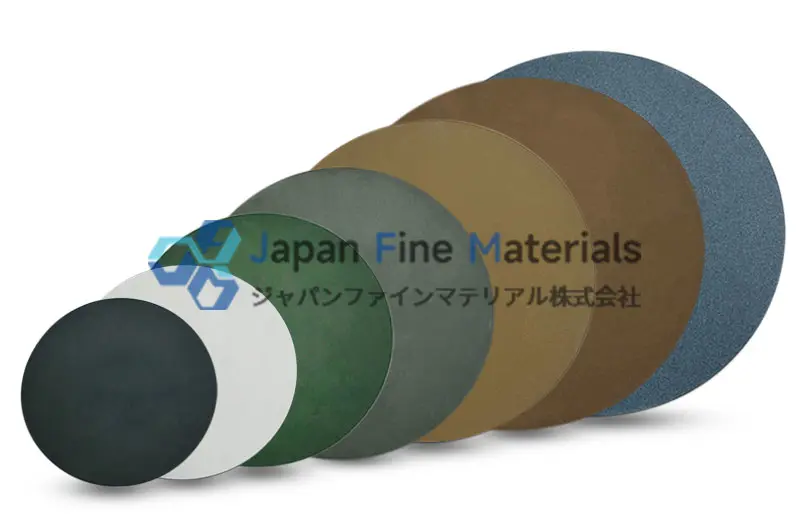
In summary, there is no one-size-fits-all solution for porous ceramic materials; different material systems have distinct strengths in terms of structure, performance, and suitable applications. Rather than focusing solely on the material name, it is more beneficial to conduct a comprehensive evaluation based on specific operating conditions—including temperature, medium, and pore structure—to achieve stable and cost-effective results.
If you are evaluating the feasibility of porous ceramics for filtration or industrial applications, please provide the JFM team with specific operating parameters (such as temperature range, medium type, and pore size requirements). Based on actual operating conditions, we can assist in analyzing suitable material types and structural solutions to help your project proceed more smoothly.