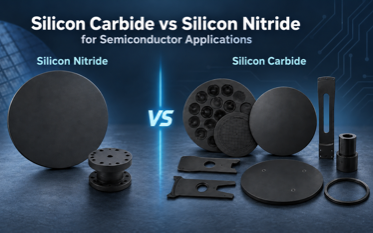
Silicon Carbide vs Silicon Nitride for Semiconductor Applications
Compare silicon carbide and silicon nitride for semiconductor applications, focusing on their properties, performance, processing needs, and material selection.
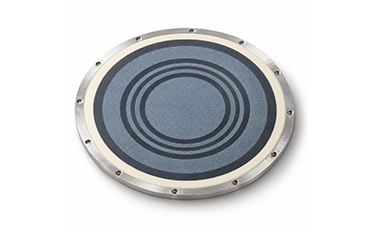
Why Are Ceramic Grinding Discs Used in Semiconductor Manufacturing?
Discover why ceramic grinding discs are used in semiconductor manufacturing, with a look at material properties, grinding performance and wafer processing needs.
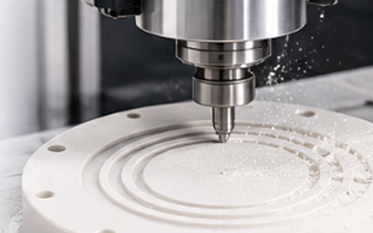
How Is a Ceramic Vacuum Chuck Manufactured?
Learn how ceramic vacuum chucks are manufactured, from ceramic material preparation and forming to sintering, machining, pore control, and final inspection.
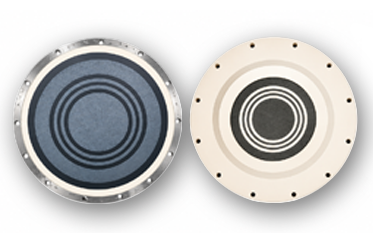
What Is a Porous Ceramic Vacuum Chuck? Structure and Applications
Explore porous ceramic vacuum chucks, including their porous structure, vacuum holding principle, material characteristics, and applications in precision manufacturing.
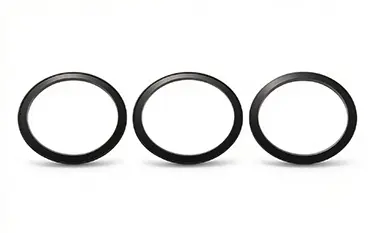
Aluminum Nitride Ceramic Ring: Properties, Benefits and Uses
Explore alumina ceramic vacuum chucks, including their key properties, structural features, vacuum holding performance and applications in semiconductor manufacturing.
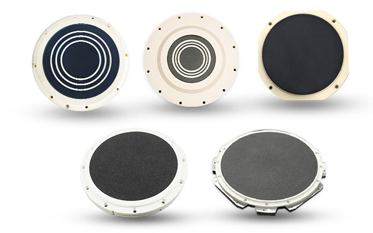
Porous Ceramic Chuck for Wafer Handling
Learn how porous ceramic chucks support wafer handling, with insights into their structure, vacuum performance, material properties, and key applications.
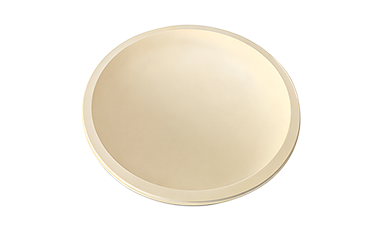
What Is a Ceramic Bell Jar? Structure, Materials and Applications
Learn what a ceramic bell jar is, including its structure, materials, key properties, and applications in semiconductor manufacturing and vacuum processes.
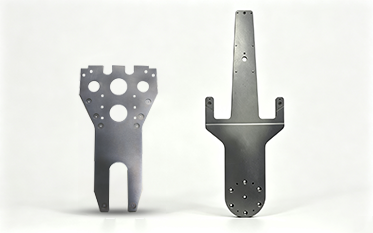
Conductive Ceramic Arm vs Metal Arm: Which Material Is Better?
Compare conductive ceramic arms and metal arms for semiconductor equipment, focusing on material properties, performance differences, and application considerations.
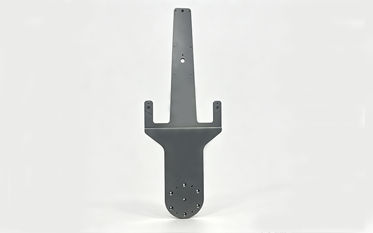
Conductive Ceramic Arm Applications in Semiconductor Manufacturing
Learn about conductive ceramic arm applications in semiconductor manufacturing, including wafer handling, key properties, and equipment integration.