Ceramic Components for Semiconductor Thin Film Deposition Equipment
-
2026-08-16 Industry News






Discover how ceramic components support semiconductor thin film deposition equipment, including their material properties, key applications, performance requirements, and selection considerations.
Types of Thin-Film Deposition Processes and Requirements for Ceramic Components
In semiconductor manufacturing, thin-film deposition is a key process for forming the functional layers of devices. However, thin-film deposition is not a single process but is divided into various types based on process conditions and material requirements. Differences in the operating environments of various deposition processes determine the different priorities in the structural design and material selection of ceramic components.
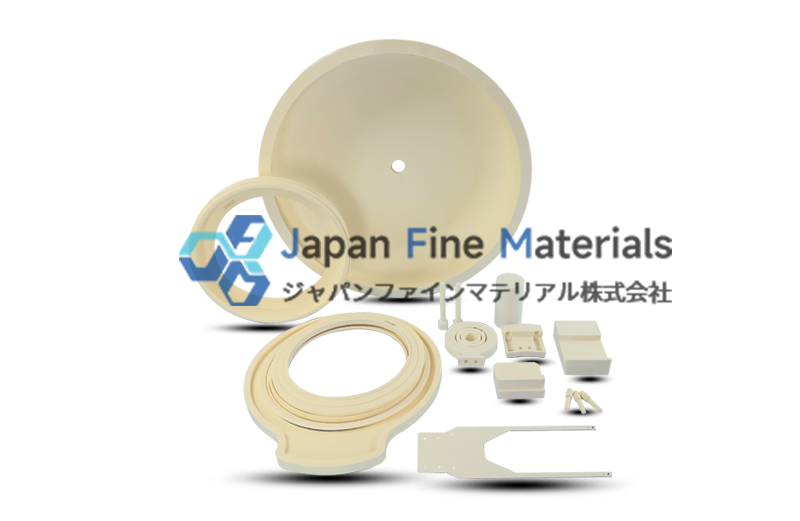
Chemical Vapor Deposition (CVD)
CVD processes typically take place at high temperatures in an environment containing reactive gases, placing high demands on the high-temperature resistance, chemical corrosion resistance, and dimensional stability of ceramic components. Chamber liners, gas mixing manifolds, and heating-related ceramic components are particularly critical in this process.
Physical Vapor Deposition (PVD)
The PVD process involves plasma and high-energy particle bombardment, requiring ceramic components to possess excellent resistance to plasma corrosion and mechanical stability. They are commonly used for chamber protection, insulation, and structural support in deposition areas.
Atomic Layer Deposition (ALD)
ALD emphasizes extremely high deposition uniformity and process controllability, imposing even stricter requirements on the surface quality, cleanliness, and dimensional accuracy of ceramic components. It is commonly used for high-purity chamber components and precision wafer handling assemblies.
Electrochemical Deposition (ECP / ECD)
In electrochemical environments, ceramic components must possess excellent electrical insulation properties and chemical stability to ensure the stability and repeatability of the deposition process.
For this reason, ceramic components in thin-film deposition equipment must be specifically designed and selected based on the specific process type to maintain stable operation and ensure film quality under complex process conditions.
Gas Distribution and Reaction Control Components
In thin-film deposition processes, gas distribution uniformity, reaction rate control, and plasma stability are critical to film thickness, crystallinity, and uniformity. Ceramic components not only provide structural support in these stages but also play a key role in flow field optimization and corrosion resistance.
Main Products and Functions:
• Gas Mixing Manifold: Precisely mixes multiple reaction gases to ensure uniform entry of each gas into the deposition chamber, reducing turbulence and localized concentration variations, thereby improving film thickness consistency.
• Ceramic Nozzles: Control gas flow velocity and direction; designed with varying orifice diameters and flow channel geometries to meet deposition process requirements, optimizing gas distribution and achieving high uniformity in plasma deposition.
• Deposition Ring: Forms a gas flow barrier at the chamber edge to protect the interior of the equipment from sputtering or particle contamination, while improving gas circulation, and enhancing film deposition uniformity.
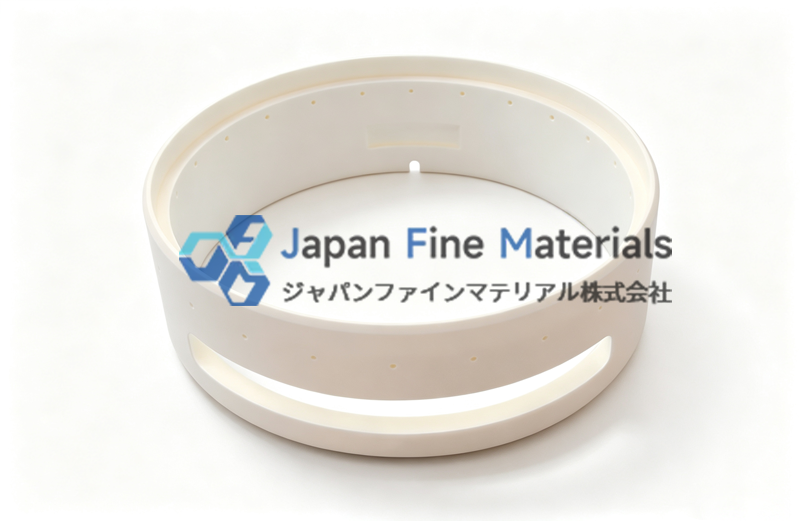
Wafer Holding and Support Components
Wafers must be precisely supported during film deposition while withstanding high temperatures, plasma radiation, and the effects of chemically reactive gases. Ceramic Components ensure wafer positioning accuracy and film quality through optimized structural stability and thermal performance.
Key Products and Functions:
• Substrate Heaters: Ceramic substrates house heating elements to provide uniform heating, control temperature gradients on the wafer surface, ensure stable film growth rates, and support adjustment to different process temperatures.
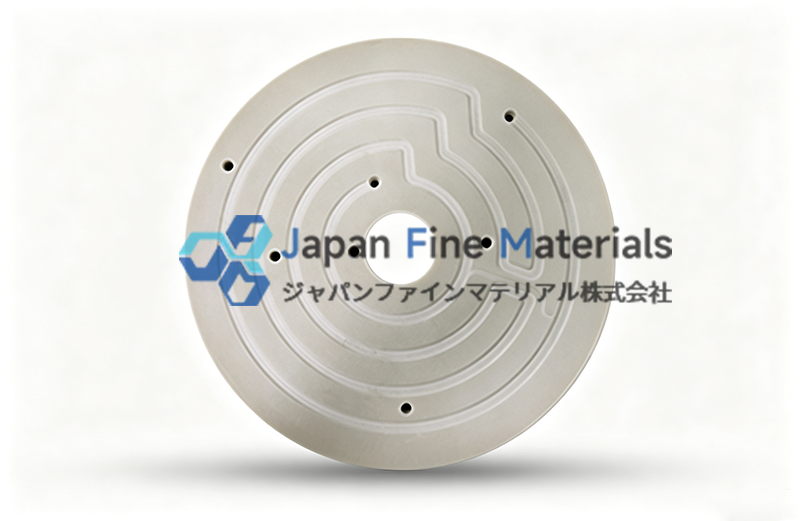
• Lifting Pads and Lifting Pins: Maintain high precision during wafer loading, unloading, handling, and automated loading/unloading processes, minimizing mechanical shock and micro-motion errors.
• Ceramic Trays: Support wafers or workpieces, maintaining structural stability under high-temperature deposition conditions to prevent warping or thermal stress from affecting film uniformity.
Electrical Insulation and Protective Components
Film deposition equipment often involves high voltages, plasma discharge, and corrosive gases. Ceramic Components provide electrical insulation, corrosion resistance, and mechanical support in these applications.
Key Products and Functions:
• Insulation Rings and Isolators: Isolate high-voltage components to prevent current leakage while withstanding high temperatures and corrosive gases, ensuring safe equipment operation.
• Chamber Liners and Cover Plates: Protect metal chambers from chemical reactions and plasma sputtering erosion, reducing maintenance frequency and extending equipment lifespan.
• Plasma Tubes: Stabilize structural and electrical characteristics in a plasma environment, support uniform plasma distribution, and ensure precision in thin-film deposition.
Precision Measurement and Calibration Components
Thin-film deposition processes require precise control of wafer position, film thickness, and uniformity. Ceramic Components provide a reliable foundation for measurement and calibration through their highly stable support structures and low thermal expansion characteristics.
Key Products and Functions:
• Dome Assembly Components: Provide structural stability for the deposition chamber and reaction zone, ensuring precision in gas flow, plasma distribution, and wafer positioning.
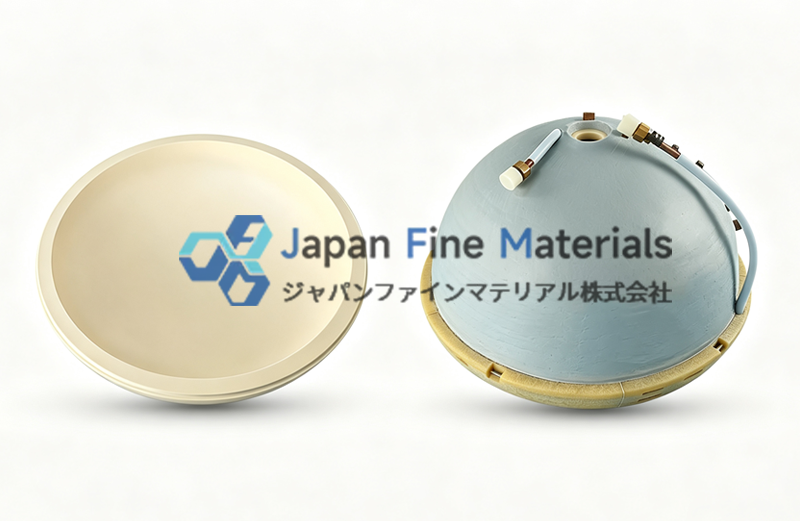
• Measurement-Related Supports: Provide a stable platform for thickness measurement, optical inspection, or laser interferometry, ensuring the reliability of measurement data.
Types of Ceramic Materials and Applications
In thin-film deposition equipment, the selection of ceramic materials directly impacts equipment performance and film quality. Materials commonly used by customers include alumina, yttria, aluminum nitride, silicon carbide, and boron nitride, each with specific application advantages:
• Aluminum Oxide (Al₂O₃): Highly heat-resistant and chemically inert, it is commonly used for chamber liners, nozzles, and trays, helping to maintain uniform film deposition and reduce particle contamination.
• Yttrium Oxide (Y₂O₃): Resistant to plasma corrosion and highly electrically insulating, it is suitable for deposition rings, insulating rings, and plasma tubes, helping to extend the service life of equipment components and ensure high-voltage safety.
• Aluminum nitride (AlN): With high thermal conductivity and low thermal expansion, it is suitable for substrate heaters and wafer supports, ensuring uniform wafer heating and reducing the impact of thermal stress on film quality.
• Silicon carbide (SiC): With high hardness, corrosion resistance, and thermal shock resistance, it is commonly used for chamber protection components and load-bearing parts, enhancing mechanical stability and long-term reliability.
• Boron Nitride (BN): With excellent electrical insulation and high dimensional stability, it is suitable for high-temperature insulating parts and isolators, ensuring safe operation in plasma and high-voltage environments.
By selecting appropriate ceramic materials based on the functions of different components, the equipment can not only operate stably in high-temperature, high-energy, and chemically reactive environments but also significantly improve the precision of film deposition and wafer yield.
The Value of Ceramic Components in Thin-Film Deposition Processes
Ceramic components in thin-film deposition equipment not only perform mechanical and electrical functions but also directly impact process precision, yield, and equipment reliability:
Improving Film Uniformity and Quality
Gas distribution components (nozzles, manifolds, deposition rings) ensure consistent film thickness on every wafer by precisely directing and uniformly distributing reaction gases, thereby reducing defect rates.
High-temperature-resistant ceramic loaders and heaters ensure uniform wafer heating, preventing film stress and warpage.
Ensuring Wafer Alignment and Mechanical Stability
Components such as ceramic support frames, trays, and lift pins provide stable mechanical support, maintaining micron-level precision even in plasma or high-temperature environments, ensuring that wafers and process components remain in optimal positions at all times.
Corrosion Resistance and High-Voltage Insulation
Ceramic components such as insulating rings, isolators, and plasma tubes can withstand corrosion from plasma and chemical gases while isolating high-voltage components to ensure the safe operation of the equipment.
Reduce Maintenance Costs and Extend Equipment Lifespan
Highly wear-resistant and chemically inert ceramic components reduce replacement frequency, minimize downtime, and improve production efficiency.
Low particle generation and corrosion resistance reduce equipment contamination and improve wafer yield.
Support for multi-process compatibility and flexibility
By selecting different material and component combinations, thin-film deposition equipment can flexibly support a variety of processes—including CVD, PVD, ALD, and ECP/ECD—to achieve consistency and high reliability across process platforms.
Conclusion
In semiconductor thin-film deposition processes, ceramic components are more than just mechanical or electrical insulation parts; they directly impact equipment stability, wafer processing precision, and film yield. High-quality ceramic materials and precision-engineered components, help , and withstand reduce particle contaminationhigh-temperature, high-pressure process environments, while extending equipment lifespan and reducing maintenance costs. For semiconductor manufacturers, this is a critical factor in boosting production capacity and mitigating operational risks.
If you are looking for a reliable supplier of ceramic components for thin-film deposition equipment, the JFM team can provide comprehensive support:
• Customized Solutions: We provide tailored ceramic component designs based on specific process characteristics.
• Material Optimization: A variety of high-performance ceramic materials are available, including alumina, yttria, and aluminum nitride.
• Quality Assurance: Strict control over material purity and machining precision ensures long-term, stable operation of components.
• Technical Support: We provide expert technical consultation to help customers optimize equipment performance and process results.
Contact us today to obtain professional ceramic component solutions that will help your thin-film deposition equipment achieve higher precision, longer service life, and better yield rates.