Custom Alumina Ceramic Components: From Design to Delivery
-
2026-08-16 Industry News






Discover how custom alumina ceramic components are developed from design and material selection to precision machining, quality inspection, and final delivery.
Introduction
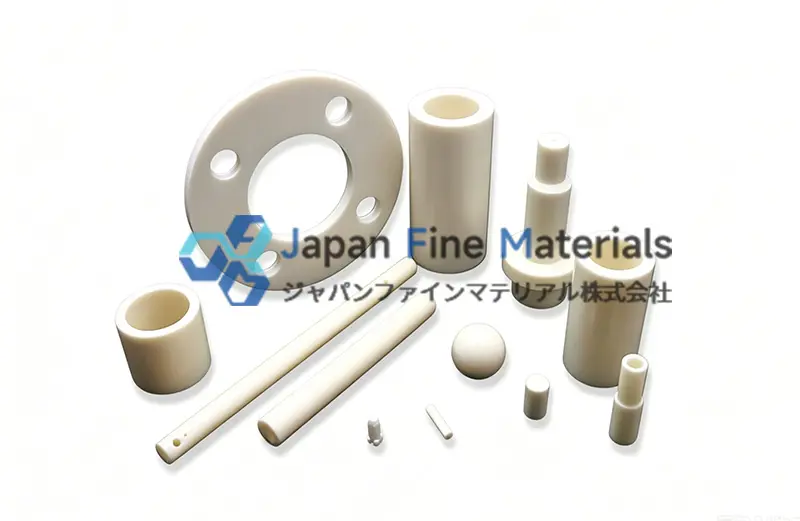
In industrial equipment, semiconductor manufacturing, power electronics, and other demanding environments involving high temperatures and high corrosion, standardized components often fail to meet practical application requirements. As equipment integration and process complexity continue to increase, custom alumina ceramic components have gradually become the preferred solution for critical applications.
Unlike off-the-shelf ceramic products, custom alumina ceramic components typically require a balance of structural strength, dimensional accuracy, material performance, and long-term stability. Their performance in application is highly dependent on early-stage design decisions and manufacturing process control. If design is based solely on a single characteristic—such as “high-temperature resistance” or “wear resistance”—issues such as design flaws, uncontrollable machining, or failure to meet service life requirements can easily arise during actual use.
Therefore, custom alumina ceramics are not merely a simple machining process but rather a systematic engineering endeavor that spans design evaluation, material selection, manufacturing processes, quality control, and final delivery. Understanding this complete process is the foundation for ensuring the success of custom projects and is the core focus that engineers and procurement personnel must prioritize during the decision-making phase.
The Starting Point of Customization: Confirming Business Requirements
The first step in the customization process is to comprehensively gather and confirm customer requirements. At this stage, we do not merely accept drawings or dimensional specifications; rather, we proactively engage from a manufacturers perspective to translate customer requirements into executable production plans. Specific steps include:
• Analysis of the application environment: temperature range, humidity, corrosive media, electrical characteristics, etc., to ensure the stability and reliability of the parts during use.
• Confirmation of Performance Metrics: Wear resistance, insulation, heat resistance, or chemical stability, among others, to precisely balance functionality and cost in the customization solution.
• Dimensions and Assembly Requirements: Key dimensions, tolerance requirements, and how the part will be positioned within the overall assembly.
• Documentation and Information Verification: We review customer-provided drawings, 3D models, technical specifications, and operating condition descriptions to establish a comprehensive requirements dossier. This creates a traceable record of customer needs, serving as the basis for subsequent design reviews and production.
Through this phase, we not only clearly understand “what the customer needs” but also define “how we will achieve it,” laying a solid foundation for the smooth execution of the customization project.
Design and Feasibility Review
After confirming customer requirements, we proceed to the design and feasibility review phase, which is a critical step in ensuring that custom alumina ceramic parts can be produced smoothly and meet performance requirements.
As a manufacturer, we conduct a comprehensive analysis of the design proposals provided by the customer, including the part’s structural shape, dimensional tolerances, wall thickness, hole distribution, and assembly interfaces. The review typically covers the following aspects:
Structural Manufacturability
We check for extremely thin walls, sharp corners, or complex internal cavities, as these areas are prone to cracking or deformation during forming or sintering.
We provide recommendations for reinforcement or structural optimization of excessively long or thin sections to ensure the part’s strength and stability.
Stress and Failure Risk Assessment
Predict the stress conditions on parts during sintering and use based on empirical data or finite element analysis. Identify potential stress concentration areas in advance and provide optimization solutions such as chamfers, fillets, or reinforcing ribs.
Dimension and Tolerance Matching
We evaluate whether the critical dimensions and tolerances specified in the customer’s design fall within our existing manufacturing capabilities and propose reasonable adjustments when necessary.
Distinguish between functionally critical and non-critical dimensions to ensure precision is concentrated on the most important areas while controlling overall costs.
Process Suitability
Determine whether the design is compatible with the forming method (pressing, injection molding, extrusion, etc.). For complex parts, propose segmented forming or mold optimization recommendations to ensure a high part formation success rate.
Communicate Optimization Proposals with the Customer
Compile the review results into professional feedback and discuss optimization proposals with the client to ensure that modifications are both manufacturable and do not compromise final performance.
Through these review steps, we not only ensure the part is manufacturable but also reduce the risk of rework during the design phase, guaranteeing that Custom Alumina Ceramic parts proceed smoothly through subsequent sintering, finishing, and assembly processes.
Alumina Grade Selection
In Custom Alumina Ceramic Components, the selection of material grades directly impacts performance, cost, and processing difficulty.We select the appropriate alumina content grade based on the part’s requirements for mechanical strength, wear resistance, and thermal stability. Commonly available alumina grades include 92%, 95%, 96%, and 99%, each with its own specific application advantages and limitations. Although high-purity alumina offers superior performance in terms of high-temperature resistance, corrosion resistance, and electrical insulation, this does not mean that the highest grade must be selected for every project.
When selecting materials, we take the following factors into comprehensive consideration:
• If the part is used in high-temperature electrical insulation or semiconductor equipment, 99% high-purity alumina typically offers better high-temperature electrical insulation performance and chemical stability.
• For general wear resistance or mechanical support structures, 95%–96% alumina usually meets the requirements and is more cost-effective.
• For complex geometries or precision bores, moderately lowering the material grade helps improve yield and reduce machining risks.
For special applications, we optimize the formulation for each part, including:
• Adjusting the proportion ofand optimizing sintering aids thesystem binder to balance sintering densification and forming stability
• Optimizing particle size distribution to improve post-sintering mechanical properties
• Making moderate adjustments to the composition to balance manufacturability and cost
In summary, when manufacturing custom alumina ceramic components, material selection should be centered on application requirements rather than a blind pursuit of high purity. Our engineers will find the optimal balance between performance, manufacturability, cost, and reliability.
Forming and Preliminary Machining
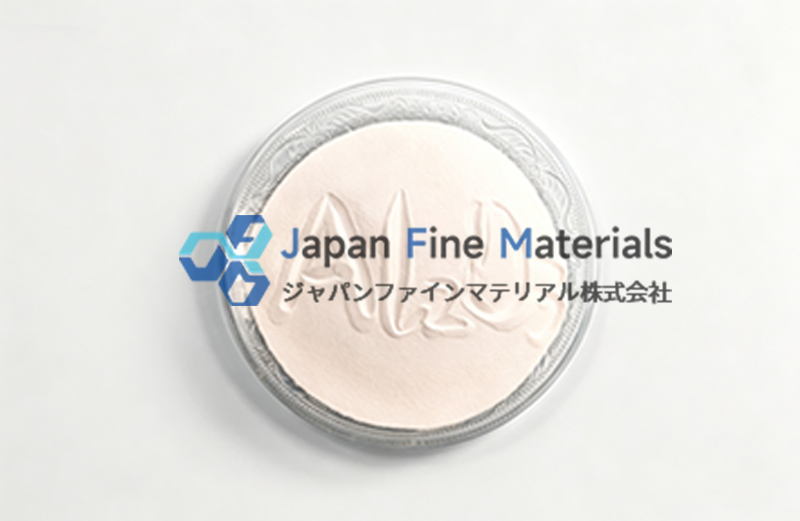
Once the material and design have been confirmed, the parts enter the forming stage—a critical step in the entire customization process that transforms the design intent into a physical product. For parts of different structures and dimensions, we employ the most suitable forming methods, including isostatic pressing, die pressing, injection molding, or extrusion. At this stage, we focus on controlling the following aspects:
Preparation of Green Parts
• We uniformly mix alumina powder with a binder in the correct proportions to ensure even particle distribution and prevent localized density inconsistencies.
• The mixture undergoes vacuum degassing to reduce entrapped air and minimize the risk of porosity during subsequent sintering.
Green Body Forming
• Depending on the complexity of the part, we select either the compression molding or injection molding process to press the powder into a preliminary shape.
• For parts with complex structures or thin walls, design segmented sections or auxiliary supports to ensure the parts do not deform or crack during the forming process.
Dimensional Allowance and Trimming
• Allow for sintering shrinkage in the green body, estimating this based on and test firing results empirical data to ensure that the post-sintering dimensions more closely match thespecifications target .
• Preliminary trimming is performed on critical surfaces to remove burrs, flash, or mold marks, providing a solid foundation for subsequent sintering and finishing.
Initial Quality Inspection
• Conduct a visual inspection of the formed green body to ensure there are no obvious cracks, porosity, or misalignment.
• We conduct spot checks on critical dimensions to ensure that the green parts fall within the acceptable tolerance range, thereby laying a solid foundation for the subsequent sintering process.
Through these meticulous operations, we are able to ensure the structural integrity of the parts while laying a solid foundation for the subsequent sintering and finishing stages. The precision and stability of the forming process directly impact the yield rate and final performance of custom parts, and are also a key indicator of a manufacturer’s professional capabilities.
Sintering Stage and Dimensional Control
The sintering stage is one of the most critical steps in the manufacturing of custom alumina ceramic parts; it directly determines the part’s density, mechanical properties, and the stability of its final dimensions. As a manufacturer, we implement strict process controls and multiple inspections during this stage to ensure that every custom part meets customer requirements.
Pre-Sintering Preparation
Before proceeding to high-temperature sintering, we perform the following treatments on the green parts:
• Dimensional Trimming: We allow for sintering shrinkage based on the material grade and part geometry to ensure controllable final dimensions.
• Drying: Thoroughly removing moisture from the green body to prevent cracks or porosity during sintering.
• Preheating Test: We perform low-temperature pre-sintering on complex or thin-walled parts to reduce the risk of internal stress concentration.
Sintering Process Control
We employ customized sintering profiles and monitor temperature and atmosphere in real time. Key control points include:
• Heating Rate: Gradual heating to avoid excessive thermal stress in the green body, particularly for large or complex parts.
• Holding Phase: Maintaining a stable temperature for a set duration at the peak temperature to ensure sufficient densification of the alumina particles.
• Cooling Rate: Controlling the cooling rate prevents cracking or warping caused by thermal stress.
Dimensional and Geometric Tolerance Management
• Shrinkage Calculation: Since the shrinkage rates vary among different grades and formulations of alumina materials, we calculate and adjust green body dimensions based on actual test-firing data.
• Handling Complex Structures: For parts with holes, grooves, or thin-walled structures, we ensure structural stability through segmented sintering or the use of support structures.
• Batch Consistency: Through test firings, first-article verification and batch parameter adjustments, we enhance ,dimensional consistency withinof the same batch parts and reduce the rework rate.
Quality Assurance
After sintering is complete, we conduct preliminary dimensional inspections and defect detection on the parts:
• Dimensional Deviation Assessment: Ensure that critical dimensions meet design requirements
• Structural Integrity Inspection: Eliminate cracks, warping, porosity, or sintering defects
• Record Traceability: Sintering parameters and dimensional measurement results for each batch are recorded to facilitate subsequent quality tracking
Through these rigorous controls, we are able to maximize dimensional stability and structural density of the parts during the sintering stage, while laying the foundation for subsequent finishing and final delivery.
Finishing and Surface Treatment
For most custom alumina ceramic components, post-sintering machining is a critical step in ensuring final dimensional accuracy and surface quality. Because alumina ceramics undergo irreversible shrinkage during high-temperature sintering and the material itself is hard and brittle, machining is significantly more challenging than with metals or plastics. Therefore, machining not only affects part functionality but also directly impacts project costs.
Tolerance Control
• High-precision parts typically require linear dimensional errors to be controlled within reasonable limits.
• Complex shapes or thin-walled structures significantly increase machining difficulty and may lead to higher machining costs.
Surface Finish
• Functional surfaces must be ground or polished with diamond tools to achieve a low surface roughness, thereby meeting functional requirements such as friction, sealing, or electrical insulation.
• For certain high-purity or vacuum applications, surface treatment directly affects part service life and system stability.
Selection of Machining Processes
• Common processes include diamond grinding, ultra-precision polishing, and laser trimming.
• Different processes vary significantly in terms of cost, processing time, and precision requirements, so the appropriate choice must be made based on the part’s function.
Batch Production and Consistency
• Finishing of batch-produced parts must ensure consistent dimensions and surface conditions for each piece; otherwise, assembly and system performance will be compromised.
• Standardization of finishing processes and process monitoring are key measures for improving batch consistency.
Overall, post-sintering finishing is not merely a “post-processing” step, but rather a comprehensive reflection of design optimization, process selection, and cost control. Only by fully understanding the part’s function and application requirements and formulating a reasonable finishing strategy can the optimal balance between precision and cost be achieved.
Quality Inspection and Control
Throughout the entire production process of Custom Alumina Ceramic Components, quality inspection and pre-shipment audits are critical steps in ensuring part reliability and customer satisfaction. At this stage, we conduct multi-level, multi-dimensional inspections in strict accordance with manufacturer standards to ensure that every batch of products meets the customer’s custom requirements.
Dimensional and Tolerance Inspection
Using coordinate measuring machines (CMMs) and laser equipment, we measure critical dimensions and geometric tolerances to ensure that parts meet drawing specifications.
Visual Inspection
We conduct visual and microscopic inspections of surfaces to identify and eliminate defects such as cracks, porosity, and inclusions, with a particular focus on functional and mating surfaces.
Functional Testing
Conduct pressure resistance, temperature resistance, wear resistance, or electrical insulation tests according to customer requirements to ensure parts meet performance standards.
Batch Traceability and Record-Keeping
Record the material batch, forming parameters, sintering conditions, and inspection results for each part to ensure traceability.
Final Inspection and Shipment
The Quality Department conducts a final inspection of the entire batch of parts. Upon passing inspection, the parts are professionally packaged and shipped to ensure they are delivered safely to the customer.
Through this comprehensive and rigorous quality inspection system, we not only ensure that Custom Alumina Ceramic Components meet dimensional and functional standards but also guarantee their reliability and consistency during long-term use.
Packaging and Delivery
Once Custom Alumina Ceramic parts are completed, the packaging and delivery stages are equally critical. As a manufacturer, we are well aware that custom parts are typically high-cost and feature intricate designs; improper handling during transport can result in breakage or compromised performance. Therefore, we implement end-to-end controlled measures for packaging and delivery to ensure the parts reach our customers safely and intact.
• Sorted and Batch Packaging: Parts are individually packaged according to their shape and size, with additional shock-absorbing padding added for fragile components.
• Selection of Protective Materials: We use foam, EPE cushioning materials, or wooden supports for secure packaging, and high-precision parts are packaged with moisture-proof materials.
• Packaging Labeling and Tracking: We clearly label each package with the model number, batch number, and precautions, and provide logistics tracking information.
• Shipping Methods and Delivery Schedule Control: We select the most appropriate shipping method based on part characteristics and customer requirements to ensure accurate delivery schedules.
• Pre-shipment Verification: We double-check the quantity, dimensions, and packaging integrity of the parts to ensure error-free delivery.
Through the above end-to-end process controls, we guarantee that every Custom Alumina Ceramic part reaches the customer in perfect, safe, and traceable condition, so that customers need not worry about transportation risks or packaging issues upon receipt.
Conclusion
As a professional alumina ceramic manufacturer, JFM not only provides high-precision, high-performance custom components but is also committed to offering customers a one-stop solution covering everything from design and material selection to forming, machining, and delivery. We maintain strict control at every stage to ensure that part performance and dimensions consistently meet customer requirements.
• Extensive Experience: With many years of experience in custom alumina ceramic production, we are well-versed in handling various complex structures.
• End-to-End Control: Integrated management of design, materials, forming, finishing, and inspection.
• High Precision and Stability: Strict dimensional and tolerance controls ensure consistent and reliable parts.
• On-Time Delivery: A flexible production and logistics system ensures timely delivery.
If you are looking for a reliable solution for custom alumina ceramic parts—whether for high-precision, complex structures or functional requirements in specialized application environments—JFM can provide you with professional, practical customization services.
Contact us today and let JFM be your trusted partner for project success!