Porous Ceramic Manufacturing Process Flow
-
2026-04-14 Industry News






This article outlines the manufacturing process of porous ceramics, covering raw material selection, forming techniques, sintering control, and how pore structure is engineered for performance in filtration, insulation, and industrial applications.
Introduction
In the fields of high-precision manufacturing and advanced materials, porous ceramics are emerging as a critical foundational material for industries such as semiconductors, electronics, energy, and environmental engineering, thanks to their unique microporous structure and exceptional properties. They are not merely “ceramics with holes,” but rather a high-performance material system whose functionality is optimized through structural engineering. From vacuum adsorption to gas distribution, and from particle filtration to thermal management control, the manufacturing process of porous ceramics is a key factor determining their performance.
What Are Porous Ceramics?
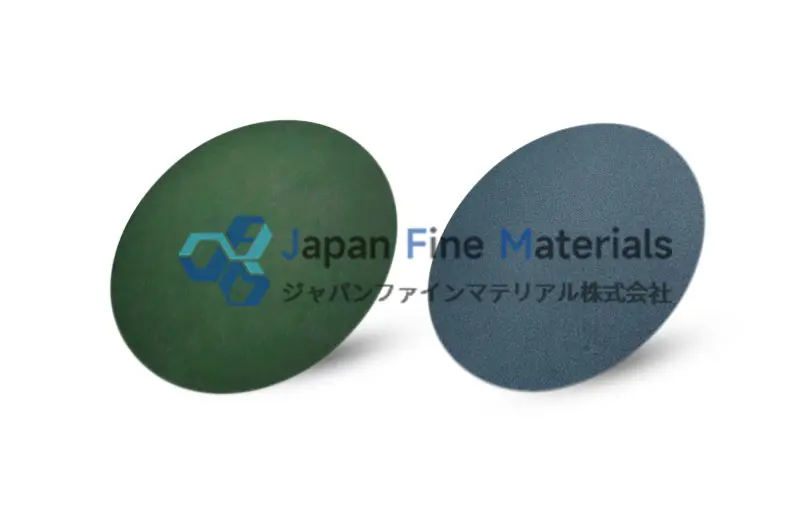
Porous ceramics are ceramic materials containing interconnected or closed-cell pore structures.
1. Based on pore structure, they can be classified as:
• Through-pores: Pores that penetrate the material along the thickness direction, with the entrance and exit located on opposite sides.
• Open pores: Pores are interconnected and communicate with the material’s outer surface, forming a permeable three-dimensional network structure.
• Closed pores: Pores are completely enclosed within the matrix, isolated from one another, and neither interconnected nor open to the outside.
2. Based on pore structure, they can be classified as:
• Foam ceramics (porosity 80%–90%): Contain a large number of interconnected pores
• Honeycomb ceramics (porosity 70%): The channels are parallel to one another
• Granular ceramics (porosity 30%–50%): Pores are distributed relatively uniformly
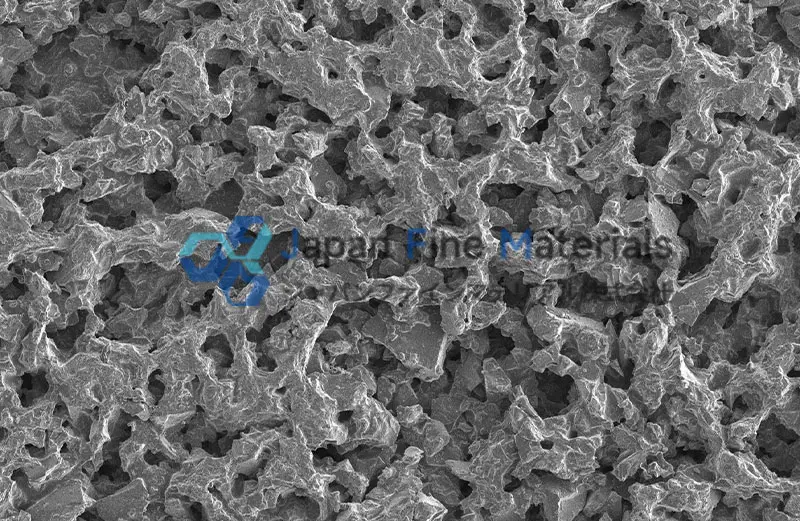
3. From a microscopic perspective, the characteristics of porous ceramics are:
• Uniformly distributed pore morphologies (spherical, honeycomb, interconnected network)
• Stable skeletal structure (formed by sintering of ceramic grains)
• Controllable pore size distribution and fluid permeability
• Good mechanical strength while maintaining moderate porosity
In the semiconductor manufacturing sector, porous ceramics are commonly used in equipment such as and systemsthinning and polishing, spin coating and development cleaning and spin drying,, wafer inspection, filtration , where their performance directly impacts process stability and yield.
Selection of Porous Ceramic Raw Materials: The Foundation of Performance
Porous ceramics are materials with adjustable pore sizes and high open porosity, prepared from high-quality raw materials such as corundum, silicon carbide, and cordierite through molding and special high-temperature sintering processes. Their performance begins with the selection of raw materials. Common raw materials include:
• Alumina (Al₂O₃): High strength and excellent chemical stability, suitable for structural support applications;
• Silicon carbide (SiC): Corrosion-resistant and heat-resistant, suitable for plasma environments and harsh processes;
The particle morphology, distribution, and purity of the raw materials directly influence the density of the green body and pore formation. To meet the stringent requirements of high-precision processes such as those in the semiconductor industry, raw materials typically undergo rigorous purification and classification to ensure material cleanliness, machinability, and sintering stability.
Additionally, the mixing ratios of different raw materials, particle size distribution, and surface modification treatments can all affect the uniformity of the final pore structure, pore wall thickness, and gas flow performance. High-purity materials reduce impurity leaching during manufacturing, thereby ensuring the stability and high yield of semiconductor processes.
Forming Methods: The Core of Pore Structure Development
The superior performance and diverse functionalities of porous ceramics primarily stem from their controllable internal pore structures, including key parameters such as pore size, porosity, pore morphology, and connectivity.These structural characteristics not only determine the material’s fluid permeability but also significantly influence its mechanical strength, thermal conductivity, adsorption, and catalytic properties. To meet specific application requirements, various specialized forming methods have been developed industrially that can directly construct the desired pore structure during the forming process. Currently, the mainstream forming methods primarily include the following six categories:
1. Extrusion Molding
By forcing ceramic slurry or plastic green bodies through a die with a specific pore structure, continuous, interconnected, and regular pore channels are directly formed.
• This method can produce honeycomb or multi-channel structures with highly oriented, parallel pore arrangements;
• Suitable for applications requiring high flow rates, such as automotive exhaust catalysts and diesel particulate filters;
• Pore size and wall thickness can be precisely controlled through die design, making it suitable for large-scale industrial production.
2. Porogen Addition Method
A combustible or soluble pore-forming agent is mixed into the ceramic powder; after forming, it is removed during the sintering process, leaving corresponding pores.
• This process is simple and cost-effective, suitable for components requiring moderate porosity while maintaining strength;
• By adjusting the particle size, morphology, and addition ratio of the pore-forming agent, spherical, plate-like, or polyhedral pore structures can be achieved;
• It is commonly used for gas diffusion plates, biomaterial scaffolds, and adsorption carriers, among others.
3. Freeze-Drying Method
By freezing the slurry and removing ice crystals through sublimation, oriented channels are formed, resulting in a directional pore structure.
• It can create highly oriented, interconnected layered or columnar pore structures;
• The orientation of the pores can be precisely controlled through freezing rates, temperature gradients, and mold design;
• It is particularly suitable for thermal management components, tissue engineering scaffolds, and high-efficiency gas/liquid transport devices.
4. Sol-Gel Method
Based on the sol-gel principle, this method utilizes the mutual stacking of colloidal particles during gelation to form a pore structure, nanoscale pores .leaving behind aftertreatment gelation and heat
• The pore size is fine and uniformly distributed, making it particularly suitable for microporous homogenization components used in semiconductors.
• The pore structure can be precisely controlled by adjusting the gel cross-linking rate and slurry curing conditions.
• The framework remains intact during subsequent sintering, enhancing the overall strength of the material.
5. Foaming Method
Bubbles are generated in the slurry through chemical reactions or physical agitation, forming a structure with high porosity.
• The pore structure has strong connectivity, making it suitable for applications such as filtration, thermal insulation, and sound absorption.
• The foaming process allows for the adjustment of pore size and distribution density by controlling slurry viscosity, stirring rate, and curing conditions.
• This method is suitable for large-area or low-density porous ceramic products.
6. Organic Foam Impregnation Method
Open-cell organic foam (such as polyurethane sponge) is immersed in ceramic slurry, allowing the slurry to adhere to the surface of the foam scaffold. After drying, the organic phase is burned off at high temperature, retaining its reverse-phase porous structure.
• It can replicate the highly interconnected three-dimensional network of the original foam, resulting in high porosity;
• Pore size is determined by the foam used, typically in the range of hundreds of micrometers, making it suitable for molten metal filtration, high-temperature thermal insulation, and bioceramic scaffolds;
• The wall thickness is relatively thin, and mechanical strength is relatively low, often requiring subsequent densification treatment for reinforcement.
Forming Process: Ensuring Structural Uniformity and Stability
The forming stage plays a pivotal role in the manufacture of porous ceramics; it not only determines the geometric accuracy of the green body but also directly influences pore uniformity, pore size stability, and subsequent sintering results. Common forming methods include:
• Dry pressing: This involves compressing ceramic powder within a mold to form the desired shape, making it suitable for plates or blocks with regular geometries. The dry pressing process is simple and highly repeatable; however, for complex pore structures or thin-walled components, the mold design must fully account for powder flow and compression uniformity.
• Cold Isostatic Pressing (CIP): By applying uniform pressure in multiple directions, this method ensures more uniform density and pore distribution in the green body. It is suitable for high-precision components, reduces deviations in pore structure, enhances green body density, and provides a stable foundation for subsequent sintering.
• Extrusion Molding: By extruding ceramic slurry, continuous strip-shaped, tubular, or honeycomb structures can be produced. Extrusion molding enables directional control of pore structures and is suitable for functional applications such as gas diffusion and heat flow guidance.
• Slip Casting: This process involves injecting ceramic slurry into a mold and curing it to form the final shape. It is suitable for complex geometries, thin-walled, or microporous components. Slip casting achieves high fidelity in detail, maintains a uniform pore structure, and facilitates subsequent precision machining to complete custom designs.
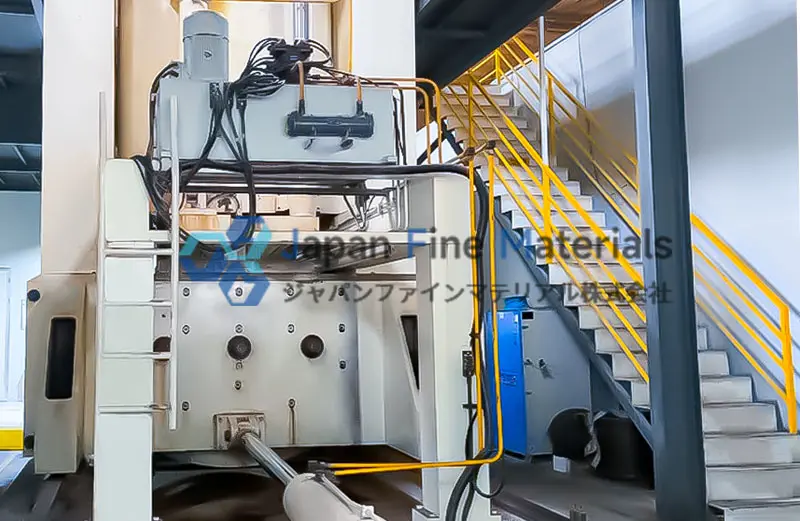
In practical applications, the forming process is typically systematically optimized in conjunction with powder formulation, pore-forming agent distribution, and mold design. For example, by adjusting the slurry’s flowability or controlling pressure distribution, issues such as localized pore collapse or density inconsistencies in the green body can be effectively avoided.
Furthermore, for high-precision semiconductor components, semi-finished product inspection and pre-trimming are often performed after forming to ensure that the pore structure and surface flatness meet the requirements for subsequent sintering and machining. The forming process not only affects the structural stability of the green body but also lays the foundation for the functional performance of porous ceramics, making it an indispensable part of the entire manufacturing process.
Sintering Process: Balancing Pore Structure and Mechanical Strength
Sintering is a critical step in the manufacture of porous ceramics. It utilizes high temperatures to promote diffusion and bonding between ceramic particles, forming a robust matrix while fixing the pore structure. The sintering process not only determines the material’s mechanical properties but also directly influences pore uniformity, matrix stability, and the effectiveness of subsequent processing and applications. The choice of sintering method significantly impacts the final performance of porous ceramics:
• Conventional Sintering: Gradual heating under a controlled atmosphere allows particles to bond tightly through diffusion, fixing the pore structure while achieving good mechanical strength. By optimizing the heating rate and holding time, it is possible to enhance matrix stability while maintaining pore uniformity.
• Vacuum Sintering: Conducted in a vacuum environment, this method effectively reduces impurity adsorption and gas retention, ensuring pore integrity and high material purity. It is particularly suitable for semiconductor and high-end electronic applications.
• Spark Plasma Sintering (SPS): This method uses pulsed currents to rapidly heat ceramic particles, achieving densification in a short time while preserving the pore structure. It helps produce finer, more uniform pore walls and enhances structural strength and durability.
• Microwave Sintering: By directly heating the interior of the ceramic with electromagnetic waves, this process enables faster and more uniform sintering, making it suitable for porous ceramics with complex structures and multi-directional pore channels. Microwave sintering also reduces the risk of pore collapse, maintaining pore connectivity and directionality.
Furthermore, precise control of the atmosphere, temperature gradients, and holding conditions during the sintering process is a key factor in ensuring the stable performance of porous ceramics. A well-designed sintering strategy can achieve a balance between pore structure and matrix strength, enabling porous ceramics to maintain reliable mechanical properties and functional performance even under high-temperature, corrosive, or vacuum conditions.
Post-processing and Quality Control
Post-sintered porous ceramics typically require a series of post-processing steps to ensure material functionality and process compatibility, as well as to enhance their long-term stability and reliability:
• Surface Grinding and Polishing: Through precision grinding and polishing, the ceramic surface achieves a high degree of flatness, ensuring uniform contact with the wafer or workpiece in vacuum chucking stations or wafer chucks, thereby reducing localized stress concentrations.
• Pore Size and Gas Flow Testing: High-precision testing methods are used to examine pore distribution, connectivity, and permeability, ensuring that the pore structure meets design requirements and satisfies the stringent standards of semiconductor processes for the uniform distribution of gases or liquids.
• Surface Coating Treatment: Depending on application requirements, corrosion-resistant, contamination-resistant, or functional coatings can be applied to enhance material chemical stability, prevent particle shedding, or improve gas/liquid flow properties, thereby extending service life.
• Machining and Customized Perforation: For complex equipment structures, precision machining or laser perforation can be performed to ensure that the position, size, and orientation of the channels meet specific functional requirements, thereby enhancing the component’s compatibility during assembly and use.
• Cleaning and Impurity Removal: In semiconductor or high-precision electronic applications, porous ceramics must undergo rigorous cleaning to remove residual pore-forming agents, dust, or impurity particles, ensuring the material’s cleanliness meets process requirements.
• Comprehensive Performance Validation: By combining methods such as porosity and pore size analysis, mechanical property testing, permeability testing, and thermal and airflow simulation, we comprehensively evaluate the functionality and reliability of porous ceramic components to ensure that shipped products achieve the expected performance in their applications.
Through these post-processing steps and strict quality control, porous ceramics not only ensure long-term stable operation in high-end manufacturing equipment but also significantly enhance the precision and production efficiency of semiconductor processes.
Application Areas and Typical Products
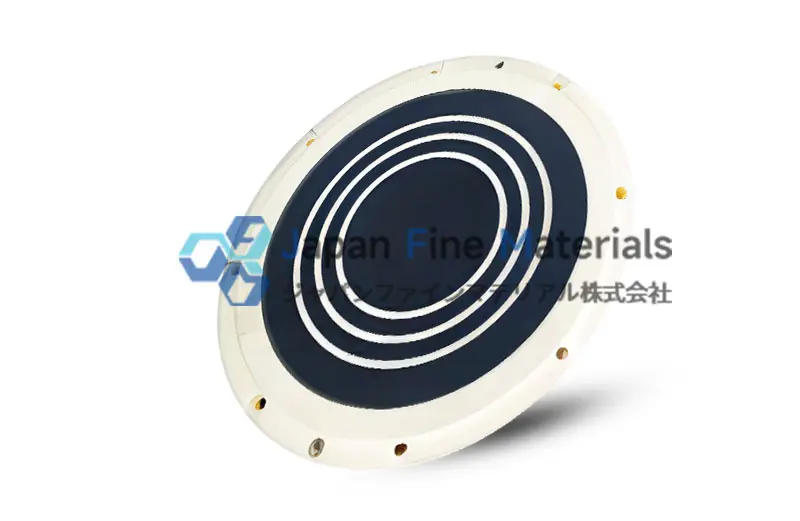
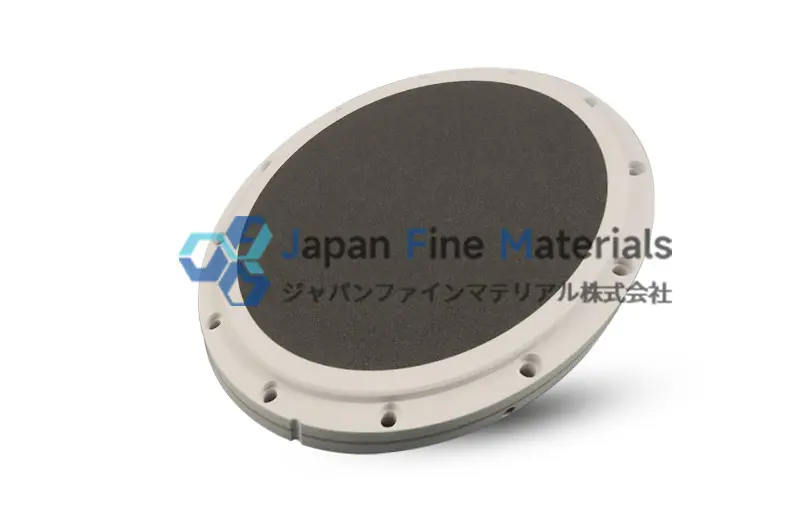
The porous ceramic vacuum suction cups provided by JFM are widely applicable in processes such as wafer dicing, wafer inspection, and screen printing.The working surface of the vacuum suction cups is made of porous ceramic material, with options of alumina (Al₂O₃) or silicon carbide (SiC) depending on application requirements. The pore size range of the porous ceramic is 2 μm to 100 μm to meet the requirements for uniform adhesion, cleanliness, and corrosion resistance in various scenarios.The base material can be selected from aluminum alloy, stainless steel, or ceramic, facilitating compatibility with various equipment platforms while ensuring structural strength, thermal stability, and installation compatibility.
 |
 |
Conclusion
The manufacturing of porous ceramics combines the rigor of materials science with the flexibility of engineering design: on one hand, it relies on a precise understanding of powder properties, pore structure control, and heat treatment processes; on the other hand, it involves the fine-tuning of the balance between porosity, mechanical strength, and functionality. It is precisely this multidimensional, coordinated control that makes it one of a critical high-reliability materials in semiconductor manufacturing.
If you are seeking porous ceramic components for semiconductor processes with specific requirements, please contact JFM. We can customize pore size, gas permeability, and geometric structure based on your application needs to provide you with reliable porous ceramic solutions.