Advantages and Disadvantages of Silicon Carbide Ceramics
-
2026-05-18 Industry News






Learn the pros and cons of silicon carbide ceramics, covering hardness, thermal stability, corrosion resistance, and limitations in manufacturing and cost.
Introduction
With the continuous advancement of industrial manufacturing technologies, high-performance materials are playing an increasingly important role in equipment reliability and process stability. As an advanced ceramic material, silicon carbide ceramics, with their unique hardness, wear resistance, high-temperature resistance, and chemical stability, are gradually becoming a key material of choice for critical components.
At the same time, the low density and thermal conductivity of silicon carbide ceramics also provide excellent performance for high-speed machinery, thermal management equipment, and precision instruments.
Analysis of Silicon Carbide Material Properties
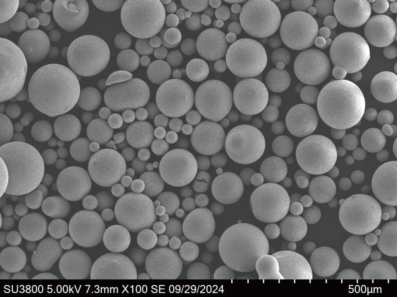
Silicon carbide (SiC) ceramics are a type of high-performance non-metallic ceramic whose unique crystal structure and chemical properties confer significant advantages in industrial applications. SiC consists of dense crystals formed by silicon and carbon; its polycrystalline structure enables outstanding wear resistance and thermal stability, while possessing certain compressive strength also, meeting the design requirements of various industrial components.
Crystal Structure and Microstructure
SiC ceramics primarily consist of densely packed polycrystalline silicon carbides with strong grain boundaries. This microstructure not only provides high hardness (Mohs hardness of approximately 9) but also allows the material to maintain relatively stable performance under high-temperature and high-friction conditions. Additionally, the grain density plays a critical role in thermal conductivity and thermal expansion characteristics, enabling SiC to perform well under continuous high-temperature operating conditions.
Thermal Properties
The thermal conductivity of SiC ceramics is generally between 30 and 120 W/m·K (depending on the grain size and sintering method), which is far higher than that of conventional alumina ceramics. Consequently, it can rapidly conduct localized heat, helping to reduce local overheating. Its coefficient of thermal expansion is approximately 4.0–4.5 × 10⁻⁶/K, which is lower than that of most metals and ceramics, helping to reduce thermal stress in environments with fluctuating temperatures.
Chemical and Environmental Stability
The material exhibits excellent resistance to strong acids, strong alkalis, and corrosive gases, maintaining structural integrity even in humid, vaporous, or industrial atmospheres. For example, in common chemical media such as sulfuric acid and sodium hydroxide, chemical reactions on the SiC surface are relatively limited, thereby extending the service life of equipment components.
Mechanical Properties
SiC possesses high hardness and excellent wear resistance. Its compressive strength is typically between 350 and 600 MPa, while its compressive strength meets the load-bearing requirements of industrial components. However, it has low toughness and is notably brittle; therefore, in environments with concentrated stress or impact, the risk of fracture must be mitigated through appropriate structural design or thickness optimization.
Classification and Performance Differences
Silicon carbide ceramics are primarily divided into two categories: α-SiC and β-SiC. α-SiC crystals are more stable and suitable for high-temperature applications; β-SiC grains are smaller and can be used for wear-resistant parts.Depending on specific industrial operating conditions, one can also choose high-temperature-resistant, wear-resistant, or composite materials to balance wear resistance, thermal stability, and structural strength.
Advantages of Silicon Carbide Ceramics
Wear Resistance
Silicon carbide ceramics demonstrate excellent performance in high-wear components such as pump and valve impellers, bearing liners, mechanical seals, and wear-resistant liners. Their high hardness not only slows the rate of wear but also reduces the frequency of downtime for maintenance, thereby enhancing the continuous operation capability of equipment. In certain high-friction conditions, SiC components can maintain a low coefficient of friction, thereby reducing energy consumption and extending the service life of related mechanical parts.
High-Temperature Resistance
SiC ceramics maintain structural stability under high-temperature conditions, making them suitable for applications such as industrial furnace linings, heat exchangers, and semiconductor reactors. Compared to traditional metal or ceramic materials, their low thermal expansion properties help mitigate the impact of thermal stress on components, assist equipment in maintaining more stable process parameters, and reduce processing errors caused by thermal deformation.
Corrosion Resistance
In chemical pipelines, pumps, valves, reactors, and other equipment exposed to acids, alkalis, or corrosive media, SiC ceramic components maintain stable performance over extended periods of use, reducing the risk of leaks, failures, or downtime caused by corrosion. Their surface chemical stability enables equipment to perform well in various corrosive environments, thereby enhancing the reliability and safety of industrial production.
Lightweight
Compared to metallic materials, SiC ceramics have a lower density, which reduces the weight of rotating or moving components. This lowers inertia, improves mechanical response speed, and enhances energy efficiency. In high-speed rotating machinery or precision instruments, lightweight components help improve efficiency and reduce vibration transmission.
Potential for Process Optimization
When combined with composite material design or localized reinforcement techniques, SiC ceramics can further enhance equipment performance under complex operating conditions. For example, in high-temperature, highly corrosive environments, surface coatings or localized thickening can ensure both wear and corrosion resistance while optimizing material costs and machining efficiency.
Disadvantages of Silicon Carbide Ceramics
Brittleness and Impact Sensitivity
Although silicon carbide ceramics possess high hardness, their toughness is limited. They are prone to fracture under concentrated stress or impact, so structural designs should incorporate measures such as support structures, buffers, or optimized thickness. For instance, in pump and valve seal rings or high-speed rotating components, the risk of stress concentration can be reduced by adding transition radii or embedding elastic support rings.
Complexity of Machining
Due to its high hardness, SiC ceramics are difficult to machine. Cutting, grinding, polishing, and drilling all require specialized equipment and high-precision process control. For large-sized or complex-shaped parts, manufacturing cycles are longer and costs are higher. Therefore, machining feasibility must be fully considered during the initial design phase, and a suitable machining solution must be selected.
Environmental Adaptability Limitations
Although SiC ceramics are resistant to most chemical media, they are not suitable for special environments such as extreme low temperatures, high pressure, or intense radiationIn industrial applications, the scope of use must be strictly controlled based on operating conditions, and an integrated design incorporating other materials is required.
Maintenance Requirements
High-performance parts still require regular inspection. Areas susceptible to wear or impact should be equipped with buffer supports, vibration-damping mounts, or specialized clamping fixtures to minimize microcracks or damage that may occur during operation. A proper maintenance plan helps extend the actual service life of the parts and ensures the long-term reliability of the equipment.
Selection and Matching
When selecting components, the material type (wear-resistant, high-temperature-resistant, or composite) and grain size must be determined based on operating conditions, and the thermal expansion coefficients must be coordinated with those of other component materials. Proper material matching reduces the risk of thermal stress and improves the overall stability of the equipment. During the design phase, finite element analysis can be used to analyze stress and temperature distributions to optimize the component’s geometric structure.
Examples of Industrial Applications for Silicon Carbide Ceramics
Semiconductor Industry
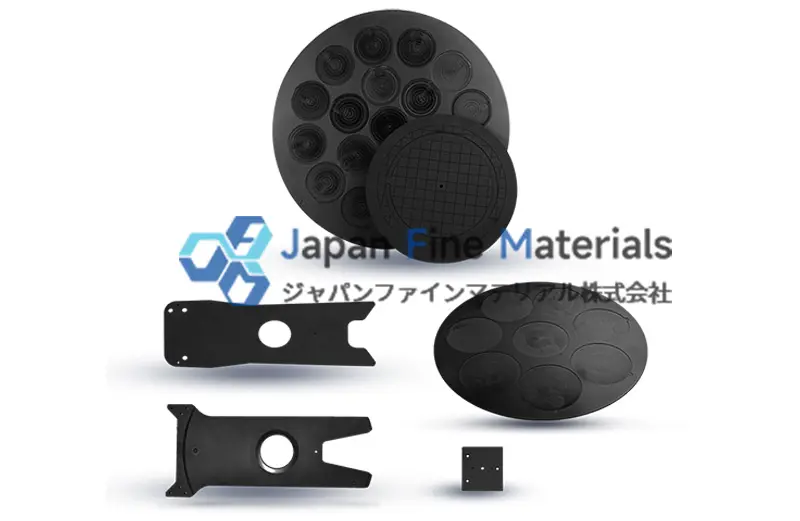
Silicon carbide ceramics can be used in high-temperature reactors and wafer handling components, such as silicon carbide ceramic arms. In high-temperature and thermal cycling environments, their low thermal expansion properties help maintain structural stability, while their excellent thermal conductivity helps improve temperature distribution, thereby reducing the impact of process fluctuations.
Medical Devices
In medical devices, silicon carbide ceramics are commonly used for corrosion- and wear-resistant parts, such as components related to fluid delivery. Their chemical stability helps maintain material performance during long-term use and reduces maintenance requirements caused by wear or corrosion.
Chemical Industry
Silicon carbide ceramics are commonly used in pump and valve seals, reactor linings, and similar applications. In operating conditions involving contact with corrosive media, their corrosion resistance helps reduce material loss and decrease equipment maintenance frequency, thereby supporting continuous production operations.
Energy Industry
In heat exchangers and high-temperature heat transfer components, silicon carbide ceramics can be used as structural materials. Their thermal conductivity aids in heat transfer, and they maintain a relatively stable structural state even in high-temperature environments, thereby optimizing equipment performance.
Conclusion
With its comprehensive properties—including high hardness, heat resistance, corrosion resistance, and low density—silicon carbide ceramic demonstrates significant application value in mechanical, chemical, semiconductor, and energy equipment. Under various operating conditions, through appropriate material grade selection, structural design, and processing method optimization, SiC ceramic can help equipment achieve more stable operation while reducing component wear and improving thermal management and chemical resistance.
Furthermore, when combined with localized reinforcement or composite designs, silicon carbide ceramics can play an even greater role in complex operating conditions, offering greater flexibility in engineering design. If you are interested in case studies, selection recommendations, or procurement solutions for specific industry applications of silicon carbide ceramics, please contact JFM for professional technical support and reference information.