What Is a Ceramic Bell Jar? Structure, Materials and Applications
-
2026-09-22 Industry News






Learn what a ceramic bell jar is, including its structure, materials, key properties, and applications in semiconductor manufacturing and vacuum processes.
Introduction
In semiconductor manufacturing equipment, the materials inside the chamber must withstand temperature fluctuations, vacuum environments, plasma, and various process gases. While components in direct contact with the wafer typically receive the most attention, the bell jar—located on the periphery or top of the chamber—also significantly influences the process environment within the equipment.
The ceramic bell jar is a specialized type of ceramic structural component used in such equipment. It is typically manufactured from engineering ceramics such as alumina and is designed—depending on the equipment’s structure—in the shape of a bell, a dome, or a housing with specific interfaces, and is installed within a vacuum or semiconductor process chamber.
Compared to ordinary ceramic bell jars, those used in semiconductor equipment generally have more specific requirements regarding dimensions, surface finish, material purity, machining precision, and cleanliness. Therefore, when selecting such components, one must not only consider their external shape but also evaluate them in light of the specific equipment and process conditions.
What Is a Ceramic Bell Jar?
A ceramic bell jar can be understood as a ceramic cover used within an equipment chamber. Its main body features a bell-shaped structure that interfaces with the equipment chamber via a specific mounting method, creating a relatively independent space for the internal process area.
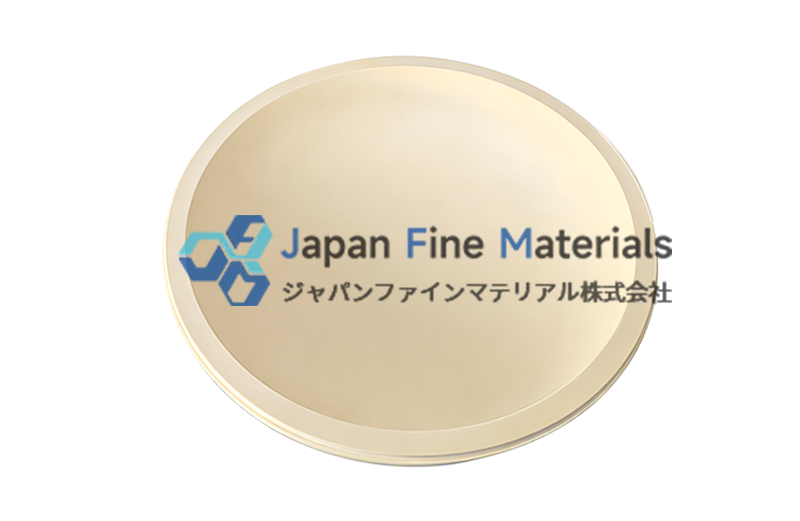
In semiconductor equipment, the specific location of a ceramic bell jar varies depending on the equipment’s structure. In some designs, it serves as part of the chamber itself, while in others, it is used to isolate, protect, or define a specific process area.
Compared to ordinary metal enclosures, the choice of ceramic materials is typically driven by their electrical insulation, high-temperature resistance, corrosion resistance, and the need for low metal contamination. Consequently, ceramic enclosures are commonly used in equipment such as plasma processing and vacuum processes.
It should be noted that a ceramic bell jar is not a standardized component designed for a single type of equipment. Different equipment manufacturers may employ varying structures, dimensions, and installation methods; therefore, actual products are typically designed based on equipment drawings and process requirements.
Basic Structure of a Ceramic Bell Jar
Although the structures of ceramic bell jars used in different pieces of equipment vary, the product itself can generally be understood in terms of several components.
Main Body
The main body of the bell jar is the core component of the ceramic bell jar. Common structures include bell-shaped, dome-shaped, and custom shapes designed to fit the internal space of the equipment.
The dimensions of the main body must match the chamber space, while also taking into account wall thickness, opening dimensions, and installation location. For larger ceramic bell jars, sintering shrinkage and subsequent machining can also affect the final dimensions; therefore, dimensional changes must be controlled during the manufacturing process.
Openings and Mounting Areas
Some Ceramic Bell Jars are designed with bottom openings, side openings, or mounting interfaces for connection to other equipment components.
These areas typically involve stringent dimensional fit requirements. Deviations in interface dimensions may affect the installation fit; therefore, when customizing a ceramic bell jar, parameters such as interface dimensions, flatness, and coaxiality should be confirmed in advance.
Wall Thickness
Wall thickness not only affects the product’s mechanical strength but also influences heat conduction, weight, and manufacturing difficulty.
If the wall thickness is designed to be too thin, extra care must be taken to manage mechanical stress during handling and installation; if the structure is too thick, it may result in greater weight and thermal inertia. Therefore, wall thickness is typically determined by considering a combination of dimensions, temperature, installation method, and available equipment space.
Surface
For ceramic components used in semiconductor equipment, surface condition is also a critical factor.
Surface roughness, machining marks, microscopic defects, and cleanliness can all affect particle control and chamber maintenance. Therefore, after the product has undergone sintering and precision machining, surface treatment, cleaning, and inspection are typically required based on application requirements.
Common Materials for Ceramic Bell Jars
Ceramic bell jars can be made from various ceramic materials depending on the operating conditions, with alumina ceramics being a common choice.
Alumina Ceramics
Alumina possesses excellent electrical insulation, heat resistance and chemical corrosion resistance,, making it widely used in ceramic components for semiconductor and other industrial equipment.
For ceramic bell jars, the specific alumina material system can be selected based on purityrequirements, sintering processes, and equipment specifications. Different alumina materials may vary in terms of mechanical properties, thermal properties, machinability, and cost.
If the product is used in plasma or vacuum-related equipment, further consideration must be given to the compatibility of the material with process gases, temperature, and the chamber environment.
Other Engineering Ceramics
In addition to alumina, certain specialized equipment may also utilize other ceramic materials depending on process requirements.
For example, aluminum nitride has high thermal conductivity and is valuable in certain applications where heat transfer is a concern; although quartz does not fall under the category of engineering ceramics, it is also frequently used for chamber-related components in semiconductor equipment.
Therefore, material selection is not simply a matter of comparing the performance parameters of a single material, but rather requires a comprehensive evaluation that takes into account temperature, atmosphere, electrical conditions, chemical environment, dimensions, and equipment structure.
The Importance of Ceramic Bell Jars in Semiconductor Equipment
The process chambers of semiconductor equipment are typically exposed to conditions such as vacuum, temperature fluctuations, plasma, and various process gases; the choice of materials for the interior of the chamber affects both the equipment structure and the process environment. As a functional component of the chamber, the ceramic bell jar serves not only to form a protective enclosure but must also be compatible with the equipment’s electrical, thermal, and chemical environments.
Electrical Insulation and Plasma Environments
Ceramic materials possess excellent electrical insulation properties. In equipment involving RF power supplies, plasma, or electric field control, ceramic bell jars can serve as insulating structures, reducing the potential impact of metallic materials on local electric fields and plasma environments.
Heat Resistance and Thermal Stress Control
Engineering ceramics such as alumina possess good heat resistance and can be used in certain high-temperature process environments. For equipment that must undergo repeated heating and cooling cycles, the design must also take into account the material’s thermal expansion characteristics, structural dimensions, and heating/cooling rates to minimize the adverse effects of thermal stress on the ceramic structure.
Adaptability to Chemical Environments
Semiconductor fabrication processes may involve various process gases or reactive media. Suitable ceramic materials can maintain good chemical stability under specific conditions and are therefore suitable for chamber environments with specific material compatibility requirements.
Particle and Metal Contamination Control
Semiconductor manufacturing typically places significant emphasis on controlling particulate and metal contamination. The use of appropriate ceramic materials, combined with proper surface finishing, cleaning, and packaging processes, helps mitigate contamination risks associated with the components themselves.
Therefore, the value of a ceramic bell jar lies primarily in the compatibility between its material properties and the semiconductor process environment. When selecting a specific model, factors such as equipment structure, operating temperature, vacuum conditions, plasma environment, process gases, and dimensional accuracy must be comprehensively considered; decisions should not be based solely on appearance or a single material parameter.
Main Applications of Ceramic Bell Jars
The applications of ceramic bell jars are typically related to semiconductor and vacuum process equipment.
Semiconductor Wafer Processing Equipment
In certain wafer processing equipment, ceramic bell jars serve as structural components of the chamber, working in conjunction with other ceramic and metal parts, as well as sealing structures, to form the process space.
Their specific functions depend on the equipment design and may involve isolating the process area, protecting the internal structure of the chamber, or meeting insulation requirements in a plasma environment.
Plasma Processing Equipment
Plasma processes place different demands on chamber materials than those of ordinary mechanical equipment.
Ceramic materials possess electrical insulation properties and can therefore be used in hoods or chamber-related structures in certain plasma processing equipment. In practical applications, attention must also be paid to the compatibility of the materials with the plasma, process gases, and temperature conditions.
CVD and PVD-Related Equipment
Chemical vapor deposition (CVD) and physical vapor deposition (PVD) equipment typically involve vacuum environments and specific deposition processes. Some equipment designs incorporate ceramic enclosures or other ceramic chamber components.
For these applications, material purity, surface condition, dimensional accuracy, and cleaning procedures may all be factors to consider during the selection process.
Vacuum and Heat Treatment Equipment
In certain vacuum heat treatment equipment, ceramic bell jars can be used as internal structural components. The heat resistance and insulating properties of ceramic materials make them suitable for certain high-temperature vacuum applications.
The specific operating temperature must be evaluated based on the material grade, structural dimensions, heating and cooling rates, and the equipment’s process conditions.
Key Parameters to Consider When Selecting a Ceramic Bell Jar
If a ceramic bell jar is to be used in semiconductor equipment, it is recommended not to purchase based solely on the product name, but to confirm the specific technical parameters in advance.
|
Parameters |
Key Considerations |
|
Material |
Alumina purity, material composition, and other ceramic options |
|
Dimensions |
Outer diameter, inner diameter, height, opening dimensions |
|
Wall Thickness |
Determined based on structural and process conditions |
|
Tolerances |
Key installation dimensions and geometric tolerances |
|
Surface |
Surface roughness, finish, and defect control |
|
Temperature conditions |
Operating Temperature, Heating and Cooling Processes |
|
Chemical Environment |
Process Gases and Chemicals with Which Contact May Occur |
|
Cleaning Requirements |
Cleaning Methods and Cleanliness Requirements |
|
Installation Method |
Flanges, screws, or other connection methods |
|
Quantity |
Sample, small-batch, or mass production requirements |
For custom products, you will also need to provide product drawings, 3D models, or samples. If complete drawings are not yet available, you may first provide existing dimensions, equipment interface information, and the operating environment to help the manufacturer further assess the product’s structure.
Conclusion
A Ceramic Bell Jar is not merely a “ceramic cover”; in semiconductor equipment, it is typically a functional ceramic component related to the chamber structure, temperature environment, electrical conditions, and process requirements.
From the selection of alumina material to the design of the bell jar structure, and on to sintering, precision machining, surface treatment, and cleaning, every step can affect how well the final product integrates with the equipment. Therefore, for ceramic bell jars used in semiconductor equipment, it is more appropriate to customize them based on specific drawings and application conditions rather than simply selecting them according to generic specifications.
If you are looking for a ceramic bell jar for semiconductor equipment, vacuum equipment, or related process equipment, JFM can discuss appropriate ceramic processing solutions based on your drawings, dimensions, material requirements, and application conditions. Please feel free to contact us to further discuss your product design and customization needs.