How Is a Ceramic Vacuum Chuck Manufactured?
-
2026-09-29 Industry News






Learn how ceramic vacuum chucks are manufactured, from ceramic material preparation and forming to sintering, machining, pore control, and final inspection.
Introduction
A ceramic vacuum chuck may appear to be a precision-machined ceramic component, but the actual manufacturing process involves multiple stages, including material formulation, molding, sintering, precision grinding, vacuum structure machining, and dimensional inspection.
In particular, for ceramic vacuum chucks used in wafer processing and semiconductor equipment, the manufacturing requirements go beyond simply machining the ceramic to the specified dimensions. The chuck flatness, surface roughness, vacuum channels, pore structure, and mounting dimensions must all be tailored to match the actual equipment and process conditions.
Manufacturing processes vary depending on the type of Ceramic Vacuum Chuck. For example, products made from dense alumina ceramic differ from porous alumina vacuum chucks in terms of material forming and subsequent processing.
Below, we outline the typical manufacturing process for Ceramic Vacuum Chucks, focusing on the key production stages.
Ceramic Vacuum Chuck Materials
Before manufacturing an ceramic vacuum chuck, the ceramic material must first be selected based on the product intended application.
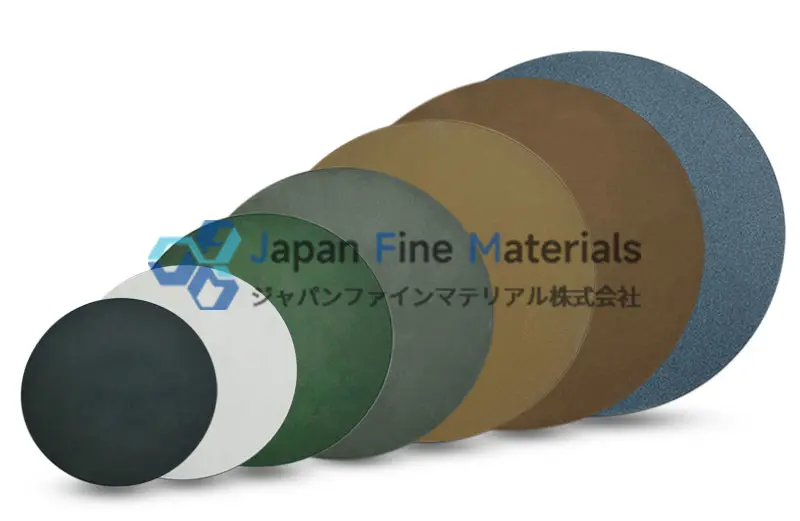
Alumina Ceramics
Alumina is one of the most common materials used in Ceramic Vacuum Chucks.
It offers good electrical insulation, heat resistance, hardness, and chemical resistance, making it suitable for certain semiconductor equipment, wafer inspection equipment, and precision machining equipment.
Depending on product requirements, alumina materials of different purity grades can be selected. Material purity, sintering method, and microstructure all affect the mechanical, thermal, and electrical properties of the final product.
Aluminum Nitride Ceramics
Aluminum nitride can also be used in certain ceramic chucks that require high thermal conductivity.
Compared to alumina, aluminum nitride has higher thermal conductivity and a lower coefficient of thermal expansion, making it valuable for applications in equipment requiring thermal management.
However, the processing and manufacturing requirements for aluminum nitride differ from those of alumina, and the specific material selection must still be determined based on the equipment operating temperature, thermal load, and other process conditions.
Porous Ceramics
If the product is a porous ceramic vacuum chuck, a interconnected pore structure must be formed within the material.
Porosity, pore size distribution, and gas permeability characteristics directly affect the vacuum adsorption process; therefore, the material design of porous ceramics differs significantly from that of dense ceramic products.
Ceramic Vacuum Chuck Manufacturing Process
Manufacturing processes for different products are adjusted based on the material and structure, but a typical manufacturing process for a ceramic vacuum chuck can be summarized as follows:
Material Preparation and Powder Processing → Molding → Degreasing → Sintering → Rough Machining → Precision Grinding and Polishing → Vacuum Structure Machining → Precision Cleaning and Surface Treatment → Dimensional and Performance Testing
Each of these steps influences the final product.
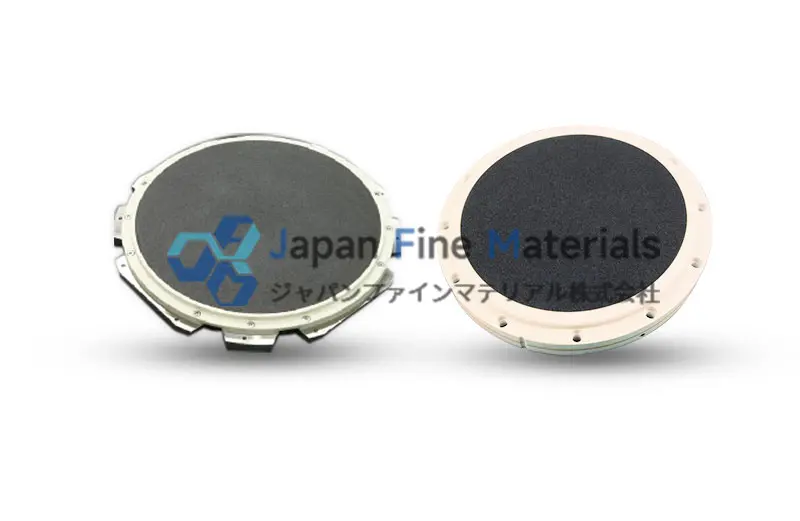
1. Preparation of Powder for Ceramic
The manufacture of ceramic vacuum chucks begins with the selection of ceramic materials and the preparation of the powder. Different materials exhibit variations in thermal, electrical, and mechanical properties, as well as chemical stability; therefore, the selection must be based on the operating temperature of the chuck, the vacuum environment, the workpiece being processed, and equipment requirements.
Common ceramic materials include alumina, aluminum nitride, and porous ceramics used for vacuum-holding structures. Once the material is selected, the ceramic powder must be proportioned, mixed, and processed to ensure it is in a state suitable for subsequent forming.
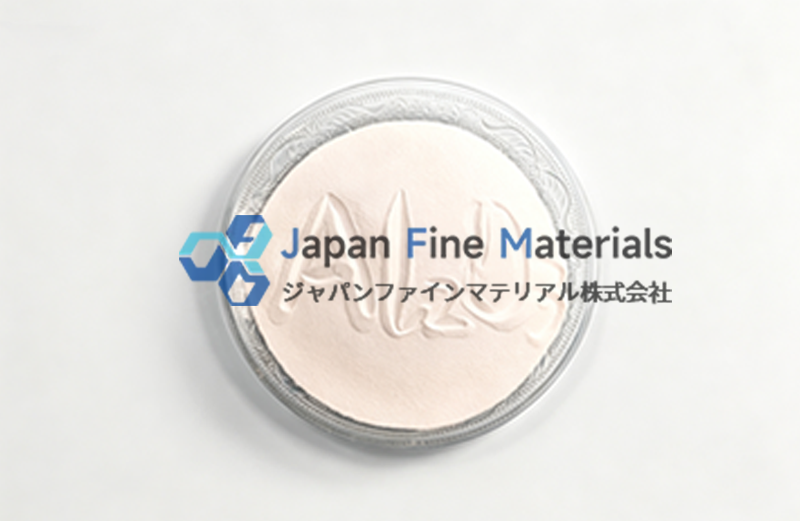
The following aspects typically require attention during powder preparation:
• Powder purity
• Particle size and distribution
• Mixing uniformity
• Additive ratio
• Powder flowability and formability
These factors affect the density uniformity of the green body and, in turn, influence sintering shrinkage, internal structure, and final dimensions. For porous ceramics, porosity, pore size distribution, and interconnected pore structures must also be considered at the material stage to lay the foundation for subsequent vacuum adsorption performance.
2. Ceramic Green Body Forming
After processing, the powder must undergo a forming process to create a ceramic green body with a basic shape. Common methods include dry pressing, isostatic pressing, and slip casting; different methods are suitable for ceramic products of varying sizes, shapes, and structures.
For the ceramic vacuum chuck, green body forming not only determines the product basic contour but also affects dimensional changes during the subsequent sintering process. Therefore, attention must be paid to whether the green body density is uniform and whether there are significant density variations between different regions.
For example, in the case of large circular vacuum chucks, if there are significant density variations across different areas of the green body, varying degrees of shrinkage may occur during sintering, thereby increasing the difficulty of subsequent flatness machining and dimensional control.
Consequently, this stage typically requires a comprehensive consideration of:
|
Factors to Consider |
Impact on Subsequent Manufacturing |
|
Green Body Density |
Affects sintering shrinkage and material density |
|
Density Uniformity |
Relates to overall dimensional and shape changes |
|
Forming Pressure |
Affects green body structure and forming quality |
|
Product Shape |
Affects the forming method and machining allowance |
3. Degreasing and Pretreatment
During the forming process, certain binders, plasticizers, or other auxiliary materials are typically added to improve the forming properties of the powder. Before high-temperature sintering, these organic components must be gradually removed—a process commonly referred to as degreasing.
Degreasing is not a simple heating process; rather, it requires careful control of the heating rate, holding time, and temperature profile based on the material system and green body dimensions. If the heating rate is too fast, gases produced by the decomposition of organic compounds may not have time to escape, creating internal pressure within the green body and thereby increasing the risk of cracking, deformation, or internal defects.
For larger, more complex ceramic vacuum chucks, the degassing process typically requires greater attention to internal gas evacuation and overall structural changes. Only after appropriate pretreatment can the green body proceed to the subsequent high-temperature sintering stage.
4. High-Temperature Sintering and Densification
After debinding, the ceramic green body must undergo high-temperature sintering to gradually bond the ceramic particles together and form a ceramic material with sufficient strength and a stable structure. The sintering process is typically accompanied by volumetric shrinkage; therefore, the sintering process is also a critical factor affecting the final dimensions.
Common sintering methods for ceramic vacuum chucks include:
• Atmospheric Sintering: Material densification is achieved under relatively conventional sintering conditions; this method is suitable for certain oxide ceramics.
• Vacuum sintering: Sintering is performed under low-pressure conditions; this method is suitable for certain ceramic systems that have specific requirements regarding material purity or the sintering environment.
• Atmospheric sintering: By controlling the gas conditions in the sintering environment, the material is sintered under a suitable atmosphere; for materials such as aluminum nitride, the sintering atmosphere must typically be selected based on the material specific properties.
Depending on the ceramic material and product structure, sintering processes may include atmospheric sintering, vacuum sintering, atmosphere sintering, and pressure-assisted sintering. Materials such as alumina are typically sintered using atmospheric sintering, while materials such as aluminum nitride require consideration of the appropriate sintering atmosphere based on their material properties. For certain products with specific requirements regarding density, internal defects, or dimensional stability, pressure-assisted processes such as hot pressing and hot isostatic pressing may also be employed.
Upon completion of sintering, the ceramic green body has developed its basic material properties, but its dimensions typically still include a machining allowance required for subsequent finishing.
5. Dimensional Trimming of Ceramic Blanks
Sintered ceramic blanks typically require preliminary dimensional trimming to establish a machining reference for subsequent precision machining. This stage primarily focuses on the outer diameter, thickness, end faces, and basic contours.
Ceramic materials possess high hardness and are typically hard and brittle; therefore, conventional metal machining methods are not suitable for direct application. In actual machining, methods such as diamond grinding are typically selected based on material properties and machining requirements.
The focus of this stage is not on achieving the final dimensions directly, but rather on establishing a stable machining reference and appropriately reserving the machining allowance required for subsequent precision grinding. If the allowance is allocated improperly, it may increase subsequent processing time and potentially affect final dimensional control.
For suction cups with complex vacuum structures, it is also necessary to consider in advance the relationship between structural machining and external dimensions to ensure that subsequent processes can proceed smoothly.
6. Precision Grinding of the Adhesion Surface
The surfaces of ceramic vacuum chucks that come into direct contact with wafers or other workpieces have high requirements for flatness, parallelism, and surface roughness. Therefore, precision grinding of the gripping surface is a critical step in the manufacturing process.
During the grinding process, material must be removed incrementally to gradually bring the chuck surface from its sintered blank state closer to the specifications outlined in the drawings. In addition to controlling the overall thickness, attention must be paid to height differences across different areas of the surface to avoid excessive local machining.
For semiconductor wafer applications, the machining condition of the gripping surface is closely related to wafer support, vacuum adhesion, and subsequent processes; therefore, it cannot be simply interpreted as “the smoother the surface, the better.” The actual surface roughness must be optimized in conjunction with the wafer type, gripping structure, machining process, and equipment requirements.
Typically, the following parameters require careful control:
Flatness → Parallelism → Surface roughness → Local topography → Final thickness
These parameters are interrelated and must be comprehensively controlled in accordance with product drawings and equipment interface requirements.
7. Machining of the Vacuum Suction Structure
One of the core structures of a ceramic vacuum chuck is the suction area and vacuum channels. Depending on the product design, structures such as grooved, annular, radial, grid-like, or zoned configurations may be adopted; porous ceramics primarily utilize interconnected pores within the material to form gas channels.
Different structures correspond to different gas flow paths and adhesion mechanisms; therefore, the design must account for wafer size, adhesion area, vacuum system parameters, and workpiece geometry during manufacturing.
Taking the grooved structure as an example, the following factors must be comprehensively considered:
• Groove width
• Groove depth
• Groove spacing
• Groove layout
• Vacuum channel connection method
• Adsorption Zone Division
If a vacuum zoning design is used, it is also necessary to consider the independence of different zones and the correspondence of vacuum interfaces.
For porous ceramic vacuum chucks, special attention must be paid to the connectivity of internal pores, pore size distribution, overall permeability, and the surface finish of the suction surface. This is also a clear distinction in the manufacturing approach between porous ceramic vacuum chucks and traditional grooved vacuum chucks.
8. Precision Machining of Mounting Holes and Vacuum Connections
In addition to the suction surface and vacuum structure, the ceramic vacuum chuck requires machining of mounting holes, locating holes, countersinks, threaded structures, and vacuum ports to facilitate assembly with specific equipment.
Although these features may appear to be secondary machining operations, their positional accuracy directly affects the mounting relationship between the vacuum chuck and the equipment. For example, positional deviations in mounting holes can affect alignment, while the positional relationship between the vacuum port and internal channels must avoid structural interference.
Therefore, this stage typically requires simultaneous inspection of:
• Mounting hole dimensions
• Hole positioning accuracy
• Positioning hole location
• Vacuum port dimensions
• Connection between the interface and internal channels
• Matching of the Suction Cup Overall Dimensions to the Equipment Mounting Surface
For ceramic suction cups intended for installation in semiconductor equipment, these dimensions are typically machined based on equipment drawings or interface specifications, rather than solely on the dimensions of the ceramic body itself.
9. Precision Cleaning and Surface Treatment
After machining, the surface of a ceramic vacuum chuck may retain machining dust, microscopic particles, or other machining residues; therefore, cleaning and necessary surface treatment are required.
For general industrial applications, cleaning may focus primarily on removing machining residues; however, in scenarios such as wafer processing and inspection, greater attention must be paid to particle contamination and surface cleanliness.
The cleaning method should be selected based on the ceramic material, surface roughness, and the structure of the suction surface. For porous ceramics in particular, the cleaning process must account for the removal of residues inside the pores while avoiding unnecessary damage to the pore structure and surface condition.
After cleaning is complete, a visual inspection can be conducted according to product requirements, focusing on whether the adsorption surfaces, edges, pore locations, and vacuum structure areas exhibit chipped edges, cracks, scratches, or obvious manufacturing defects.
10. Comprehensive Performance Testing
At the end of the manufacturing process, a comprehensive inspection of the ceramic vacuum chuck must be conducted to compare the actual machining results with the product drawings, equipment requirements, and relevant performance specifications.
Dimensional inspection typically includes outer diameter, thickness, flatness, parallelism, mounting hole positions, and vacuum interface dimensions; surface inspection primarily focuses on surface roughness, cosmetic defects, and the condition of the gripping areas.
For porous ceramic vacuum chucks, porosity, pore size distribution, and gas permeability can also be tested according to product requirements. Regarding vacuum system performance, vacuum pressure, flow rate, and adhesion status must be evaluated under actual test conditions.
The final inspection items can be briefly summarized as follows:
|
Inspection Category |
Main Focus |
|
Dimensional Inspection |
Outer diameter, thickness, hole positions, interface dimensions |
|
Geometric Accuracy |
Flatness, Parallelism, Form Error |
|
Surface Inspection |
Surface roughness, scratches, chipped edges, cracks |
|
Pore Structure Inspection |
Porosity, pore size distribution, permeability |
|
Vacuum Performance |
Vacuum pressure, flow rate, adsorption state |
|
Visual inspection |
Surface Integrity and Machining Condition |
For ceramic vacuum chucks used in semiconductor equipment, a comprehensive evaluation based on actual assembly and usage requirements is necessary, rather than relying on a single parameter.
Onlydoes theChuck complete the full manufacturing processfrom ceramic material and sintered blank to a precision vacuum-holding component after undergoing the above processes Ceramic Vacuum —. Specific process routes and machining parameters vary depending on the material, dimensions, and vacuum-holding structure of the product; therefore, actual production typically requires tailored design based on product drawings, equipment interfaces, and operating conditions.
What are the differences in the manufacturing of porous Ceramic Vacuum Chucks?
The manufacturing approach for chucks differs somewhat from that of ordinary dense ceramic vacuum chucks porous ceramic vacuum.
Conventional alumina ceramic vacuum chucks are typically based on dense ceramic, with vacuum chambers and channels formed through subsequent machining.
In contrast, porous ceramic vacuum chucks require the formation of interconnected pores within the material.
Therefore, the following factors require special attention during the manufacturing process:
• Porosity: Porosity affects the material ability to allow gas to pass through.
• Pore Size Distribution: Pore size is not a single value; actual materials may exhibit a range of pore sizes, which must be controlled in accordance with product requirements.
• Pore Connectivity: If there is a lack of effective connectivity between pores, gas flow will be impaired; therefore, the internal structure of the material is also a critical aspect of porous suction cup design.
• Surface Finishing: The surface finishing method for porous ceramics must be compatible with the material pore structure to prevent improper processing from adversely affecting adsorption performance.
Therefore, the manufacture of porous ceramic vacuum chucks typically requires simultaneous consideration of both material preparation and precision machining.
Factors Affecting the Manufacturing Precision of Ceramic Vacuum Chucks
Ceramic vacuum chucks are precision ceramic components, and their final dimensions are not determined solely by machining.
Material Shrinkage
Shrinkage occurs during the ceramic sintering process.
Shrinkage may vary depending on the material formulation, compaction density, and sintering conditions; therefore, dimensional changes after sintering must be taken into account during manufacturing.
Forming Density
The density distribution of the green body affects dimensional consistency after sintering.
For larger ceramic suction cups, density control during the forming process is particularly important.
Sintering Conditions
Sintering temperature and time affect the degree of densification and the microstructure of the ceramic.
Different ceramic materials require corresponding sintering processes.
Precision Machining
Grinding, polishing, and machining after sintering directly affect the final dimensions.
Therefore, the manufacture of ceramic vacuum chucks typically requires a combined consideration of the sintering process and subsequent precision machining, rather than treating any single step in isolation.
Custom Manufacturing of Ceramic Vacuum Chucks: Required Product Parameters
If you need a custom, the manufacturer typically needs to understand the product actual operating conditions. Key information includes:
• Wafer or workpiece dimensions
• Overall dimensions of the vacuum chuck
• Ceramic material
• Material purity
• Operating temperature
• Vacuum pressure
• Vacuum port size
• Adsorption Area
• Surface Flatness Requirements
• Surface roughness requirements
• Mounting Holes and Locating Dimensions
• Whether a porous structure is used
The more complete this information is, the easier it will be for manufacturers to design the structure and evaluate machining options based on the actual equipment conditions.
Conclusion
The manufacture of ceramic vacuum chucks is not a single ceramic processing step, but rather a combination of multiple stages, including material selection, forming, degreasing, sintering, machining, precision grinding, vacuum structure fabrication, and quality inspection.
For products used in wafer processing and semiconductor equipment, additional attention must bechucks additional considerations include porosity paid to parameters such as material purity, flatness, surface roughness, vacuum distribution, and mounting dimensions. For porous ceramic vacuum ,, pore size distribution, and gas permeability characteristics.
JFM specializes in ceramic components for semiconductors and precision equipment tailored to product dimensions, ceramic materials, vacuum structures, operating temperatures, and equipment mounting requirements.provide integrated services for the structural design and supply of. If you need to develop or procure aluminum oxide, aluminum nitride, We ceramic vacuum chucksor porous ceramic vacuum ,chucks, please contact JFM to discuss specific drawings and application requirements.