How Alumina Ceramics Are Made: Process, Features, and Uses
-
2026-02-14 Industry News






This comprehensive guide details the manufacturing process, key features, and industrial applications of Alumina Ceramics, emphasizing how precise process control ensures reliability in semiconductor and precision machinery sectors.
What is Alumina Ceramics?
In many industrial applications, Alumina (Al₂O₃) ceramics are often understood simply as "materials with excellent wear and heat resistance." However, in actual engineering environments, performance is not determined by a single metric. Instead, it is comprehensively influenced by material design, manufacturing process control precision, quality assurance systems, and a deep understanding of application conditions. For procurement managers, engineers, and equipment manufacturers, what matters is not just "whether it is hard," but the following points:
● Can performance stability be maintained during long-term operation?
● What "invisible performance differences" do different manufacturing methods create?
● Why do differences in lifespan and reliability occur even when appearance and specifications look identical?
The answers to these questions are difficult to read from a spec sheet alone; in many cases, they lie within the entire manufacturing process. Alumina ceramics are not "processed" in a single step. Quality is determined by the accumulation of manufacturing technologies ranging from raw material selection, powder design, forming, firing (sintering), post-processing, and surface treatment, to final inspection. Each process affects grain size, density, risk of defects, and dimensional stability. In other words, the process itself is part of the performance.
From a material perspective, alumina ceramics are advanced ceramics formed from high-purity alumina substrates through powder design (particle size, dispersion, additive design, etc.) and high-temperature sintering. They possess not only high hardness and wear resistance but also allow for property design optimized for specific applications through microstructural optimization (grains and grain boundaries). Microscopically, they form a polycrystalline structure where fine crystal grains are densely bonded, maintaining mechanical integrity and property stability even in high-temperature, high-wear, and corrosive environments.
More importantly, alumina ceramics are not just "raw materials" but material solutions that can be designed and standardized for industrial applications. By optimizing each step—from powder selection to forming, sintering, and microstructure control—we ensure the reliability and durability required in actual use. Through this integrated "Material-Structure-Performance" approach, alumina ceramics play a critical role in a wide range of fields, including insulating substrates for semiconductors, precision machine components, and advanced medical applications.
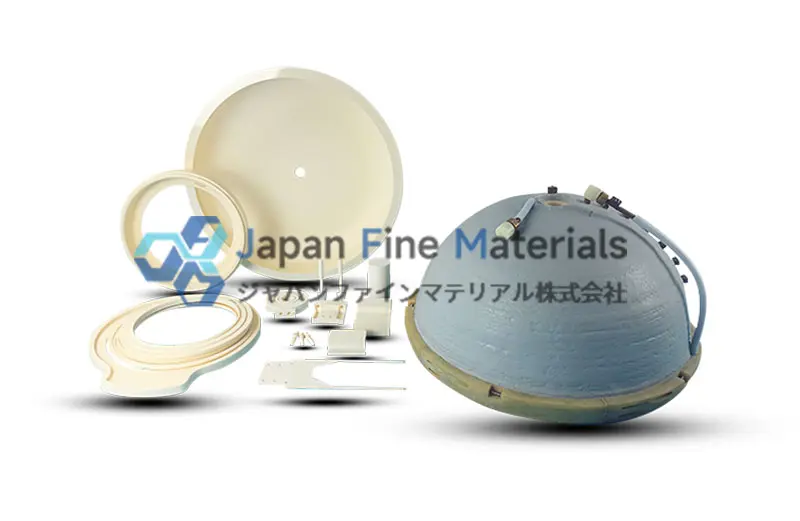
Key Features of Alumina Ceramics
(1) Dimensional & Geometric Stability
Alumina ceramics possess a uniform fine crystalline structure, maintaining dimensional and geometric stability even under high temperatures, heavy loads, and long-term vibration environments. In precision machinery, semiconductor manufacturing equipment, and automated production lines, this contributes to ensuring mating precision of parts and positioning accuracy of the entire system. Small variations in properties lead to reduced risk of equipment downtime, suppressed maintenance costs, and long-term stabilization of product quality.
(2) Excellent Wear Resistance
Even under conditions involving high friction or repeated impact, wear progresses slowly. Surface deterioration and performance degradation are unlikely to occur even during long-term operation or under fluctuating loads. In addition to extending component life, reductions in maintenance frequency and replacement costs can be expected. This contributes to improved availability and production stability in automated lines, high-load bearing applications, transport systems, and continuous operation equipment.
(3) Chemical Stability
Alumina is unreactive to various chemicals such as acids, alkalis, and solvents, and possesses properties that prevent elution or contamination derived from the material. In semiconductor manufacturing, electronic encapsulation, and chemical equipment applications, it is effective for reducing contamination risks, stabilizing quality, and improving equipment safety. It suppresses degradation caused by corrosive environments, contributing to reduced maintenance loads and lower risks of unexpected failure.
(4) Electrical Reliability
Alumina ceramics possess high insulating properties, and their characteristics remain stable even in environments with high temperatures or humidity fluctuations. They can function not only as structural members but also for electrical isolation, protection, and insulation. In electronic components, motor parts, and sensors, they help reduce the need for additional insulating materials, improving design freedom and system integration while reducing failure risks.
(5) Freedom of Design and Processing
In recent years, equipment components have become increasingly complex in shape and higher in precision. Alumina ceramics can accommodate the production of complex-shaped and high-precision parts by combining forming methods such as pressing, injection molding, and extrusion with post-processing techniques like grinding and polishing. This meets a wide range of design requirements, from small precision parts to large-dimension support and load-bearing members.
(6) High-Temperature Properties
It easily maintains mechanical strength and structural stability even under high-temperature conditions, making it suitable for high-temperature furnaces, heat treatment equipment, and other peripheral components for high-temperature processes. By functioning stably even under extreme temperature conditions, it extends equipment life and reduces maintenance costs in high-heat environments.
(7) Low Thermal Expansion
With a low coefficient of thermal expansion, it features small dimensional changes even under repeated thermal cycles. In applications where thermal stability is critical, such as semiconductor equipment, precision machinery, and optical systems, it is effective in suppressing misalignment and precision degradation caused by thermal stress.
(8) High Hardness & Scratch Resistance
Due to high surface hardness, it is resistant to scratches from friction, impact, or minor contact, making it easy to maintain surface quality. This contributes to ensuring the long-term stability of precision parts and improving the reliability of sliding and contact areas.
(9) Suitability for Composite Design with Dissimilar Materials
Composite structural design is possible by combining alumina with metals, resins, and other ceramic materials. By assigning necessary functions to the right places, it helps optimize overall equipment performance, improve stability, and expand design freedom.
(10) Long-term Reliability and Low Maintenance
By comprehensively possessing wear resistance, chemical resistance, dimensional stability, and high-temperature properties, extensions in operating periods and reductions in maintenance and replacement costs can be expected. In industrial machinery, semiconductor-related facilities, and automated lines, this contributes to improved availability and Total Cost of Ownership (TCO) optimization, leading to better Return on Investment (ROI).
Manufacturing Process of Alumina Ceramics
Alumina (Al₂O₃) ceramics are used for a wide range of fields, including semiconductor manufacturing, medical devices, and high-precision industrial parts, due to their high hardness, wear resistance, chemical stability, and excellent electrical insulation. The manufacturing process is a systematized industrial process, and the control precision of each step determines the material properties, reliability, and practical value.
1. Raw Material Selection and Chemical Analysis
The first step in manufacturing high-performance alumina ceramics is the selection of raw materials. The purity, particle shape, particle size distribution, and impurity content of the alumina powder directly affect the density, hardness, toughness, and wear resistance of the final product. Trace impurities can become weak points at grain boundaries during the high-temperature firing (sintering) process, leading to reduced structural stability and impacts on long-term reliability.
Improving flowability and densification during firing is possible through the spheroidization of powder and the homogenization of particle size. Furthermore, optimizing the formulation of dispersants and sintering aids improves slurry flowability and stabilizes firing shrinkage. This establishes a foundation from forming to firing and precision machining in post-processes, contributing to the reproducibility of quality and performance in the final part.
2. Powder Classification & Mixing (Homogenization)
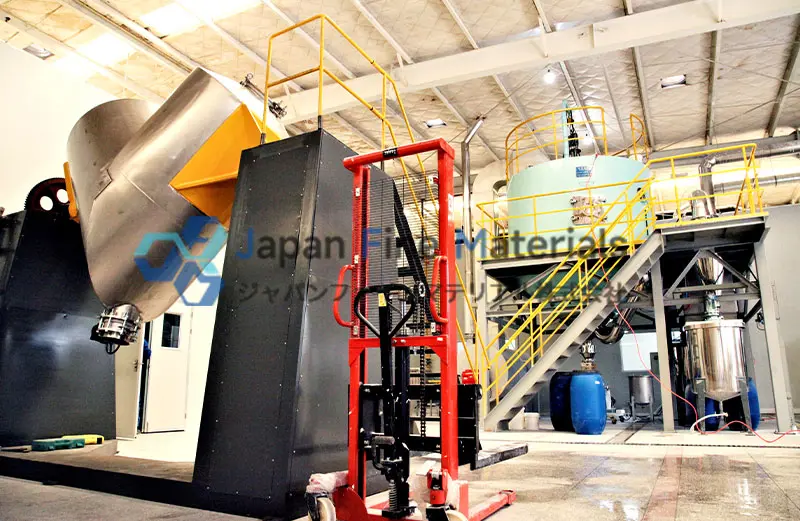
Powder classification and homogenization are critical steps for ensuring the density of the green body and the uniformity of the microstructure. Agglomerated particles are suppressed using ball mills, drum mixing, or wet dispersion to create a uniform powder/slurry. The degree of homogenization affects the density of the formed body, pore distribution, and uniformity of grain growth, governing the mechanical strength and wear resistance after firing.
A highly homogeneous slurry suppresses the generation of fine pores and cracks, reducing variations in internal density even in complex-shaped parts. This leads to expected improvements in resistance to stress concentration and lifespan. In semiconductors, medical devices, and high-precision parts, homogenization quality is directly linked to property stability and assembly interchangeability.
3. Forming / Molding
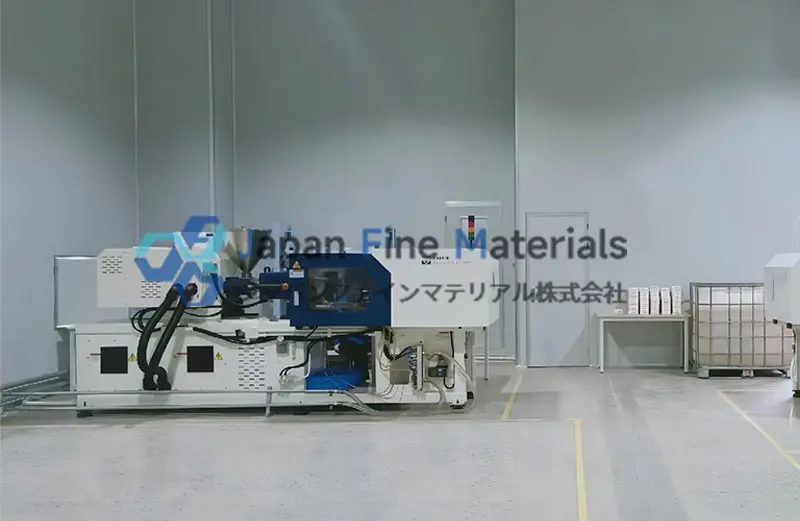
Forming is the process of processing homogenized powder into a shaped body (green body) of a predetermined shape, determining shape precision, density distribution, and internal uniformity. Representative methods include press forming, injection molding, slip casting, and extrusion molding. Press forming is suitable for simple shapes and uniformizes density through pressure control. Injection molding is suitable for thin-walled and complex shapes, where management of material flow, mold temperature, and injection conditions is crucial. Slip casting/extrusion is suitable for continuous shapes like plates and tubes, with slurry viscosity and drying conditions being key.
Main Forming Methods:
● Dry Pressing: For simple shapes. Uniform pressurization suppresses density variation and reduces pores and shrinkage differentials.
● Injection Molding: For thin-walled and complex shapes. Management of flowability, mold temperature, and injection pressure is important.
● Slip Casting: Slurry is poured into a mold to handle complex shapes or thin-walled parts.
● Casting / Extrusion: For continuous shapes like plates and tubes. Management of viscosity and drying conditions is critical.
● Isostatic Pressing (CIP): For parts requiring high density and high uniformity. Uniform pressurization improves internal density distribution.
● Electrophoretic Deposition (EPD): Forms a uniform coating layer on surfaces or composite structures, serving as a foundation for functionalization.
These are selected and combined according to part shape, required precision, and application conditions to optimize the uniformity of the green body and the properties after firing.
4. Drying & Debinding (Pre-sintering)
Drying and debinding (pre-sintering) are critical steps to remove moisture and residual organic components (binders, etc.) from inside the formed body (green body) and secure the initial strength and shape stability necessary for the subsequent firing (sintering) process. At this stage, the management of drying speed and temperature profiles governs quality. If drying is too fast, surface micro-cracks or warping are likely to occur; if the temperature is too low, moisture removal becomes insufficient, potentially adversely affecting densification after firing.
In actual manufacturing, stepwise temperature control synchronizes surface and internal drying, reducing shrinkage and deformation risks while suppressing uneven pore distribution. In debinding (pre-sintering), temperature is raised gradually to several hundred degrees Celsius to decompose and remove organic components and increase internal rigidity, thereby suppressing shape collapse and defect generation during the firing process.
| Drying Method | Application Target | Control Points |
| Stepwise Drying (Controlled Temp.) | All formed bodies (Green bodies) | Prevention of cracks, Homogenization of pore distribution (Suppressing drying difference between surface and interior) |
| Debinding (Pre-sintering) | Formed bodies containing many organic components (Binders, etc.) | Decomposing/removing organic components via gradual heating to ensure green body rigidity |
5. High-Temperature Sintering
High-temperature sintering is the critical process that determines the final properties of alumina (Al₂O₃) ceramics. Sintering temperature, holding time, and atmospheric conditions directly impact grain growth, pore closure, material density, and mechanical properties. The typical temperature range is 1600–1750°C, optimized according to alumina powder particle size, additives, and part shape.
Regarding atmosphere control, sintering in air or an inert gas atmosphere ensures chemical stability and suppresses defect risks caused by oxidation/reduction reactions. In applications requiring high density, HIP (Hot Isostatic Pressing) may be combined to reduce residual micro-pores and improve mechanical properties. Precisely managing the temperature profile (gradual heating, holding, slow cooling) uniformizes grain growth and suppresses micro-pores while balancing hardness, toughness, and wear resistance. Sintered parts possess high density and uniform microstructure, contributing to stable performance in high-precision applications.
| Sintering Method | Characteristics | Impact on Performance |
| Air / Inert Gas Sintering | Ensures chemical stability | Suppression of defect risks, contribution to densification |
| Hot Isostatic Pressing (HIP) | Uniform application of high temperature & pressure | Reduction of residual pores, improvement of mechanical properties |
6. Cooling & Stress Relief
The sintered body moves to the cooling process, where thermal stress is relieved to suppress the occurrence of micro-cracks and warpage. Cooling is typically performed gradually from high temperatures to room temperature to maintain grain stability while ensuring the shape and dimensional precision of the part.
For complex-shaped parts, it is common to use zone cooling or manage temperature gradients to avoid thermal stress concentration. This process directly affects machinability in post-processes and structural stability/lifespan during actual use. For example, in semiconductor equipment support parts or medical device components, improper cooling conditions can lead to the manifestation of micro-cracks during precision assembly or long-term use, risking performance degradation.
7. Precision Machining
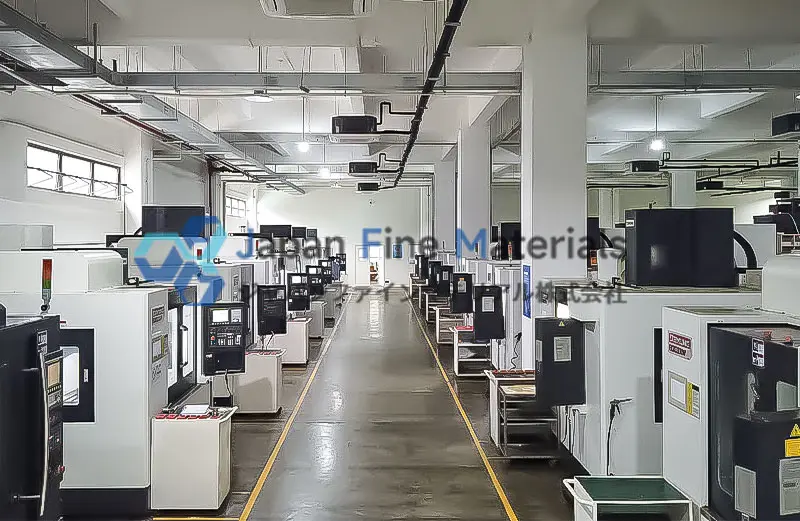
After sintering, ceramic parts undergo precision machining such as turning, milling, and drilling to meet predetermined dimensions, tolerances, and functional requirements. Since ceramics are hard and brittle, management of cutting force, rotation speed (RPM), feed rate, and temperature (heat generation) during machining is critical. Excessive load or overheating can lead to crack propagation or damage to the microstructure.
To ensure quality, advanced machining technologies such as diamond tooling and ultrasonic machining are used. These realize stable machining quality by maintaining surface integrity and microstructural uniformity while suppressing stress concentration. Precision machining not only ensures assembly precision between parts and equipment but also contributes to wear resistance and long lifespan, supporting stable operation in high-precision and high-load environments.
8. Grinding & Polishing
Grinding and polishing are critical processes for finishing the surface quality of ceramic parts. By performing multi-stage grinding and polishing, sub-micron level surface roughness is achieved according to the application, improving sliding characteristics (friction properties) and assemblability.
Polishing not only improves surface smoothness but is also effective for suppressing surface defects and reducing stress concentration, contributing to improved wear resistance and fatigue resistance. In semiconductor manufacturing, medical devices, and high-precision industrial parts, precision polishing enhances compatibility with equipment and is expected to extend component life. By combining this with fine surface control technology, performance stabilization in long-term use is pursued, accommodating severe operating environments.
9. Surface Treatment
Depending on application requirements, ceramic parts undergo functionalization treatments such as surface hardening, surface texturing (micro-machining), or coating to improve wear resistance/corrosion resistance or add specific functions. In functionalization treatment, management of film thickness uniformity and adhesion is important to ensure long-term stability.
For support parts in semiconductor equipment, EPD (Electrophoretic Deposition) may be used to form a uniform coating layer, aiming to improve friction characteristics or reduce particle contamination. In medical applications, coatings may be selected from the perspective of corrosion resistance and biocompatibility. Furthermore, by combining localized surface hardening, micro-machining, and composite coatings, we respond to applications requiring high precision and high durability. Surface treatment is directly linked to long-term reliability and is one of the important processes in advanced applications.
10. Final Inspection, Verification & Shipping
In the final stage of the manufacturing process, final inspection, functional verification, and shipping processing of the parts are performed. For parts that have undergone precision machining, polishing, and functionalization, dimensional inspection, surface defect inspection, and function checks are conducted, along with pressure resistance tests or wear resistance tests as necessary.
Approved parts are subjected to anti-vibration and moisture-proof packaging to suppress damage or quality changes during transport, provided in a state ready for customer use. This process confirms specification compliance and quality reproducibility before shipment, guaranteeing reliability for stable operation in the implementation environment.
Representative Applications of Alumina Ceramics
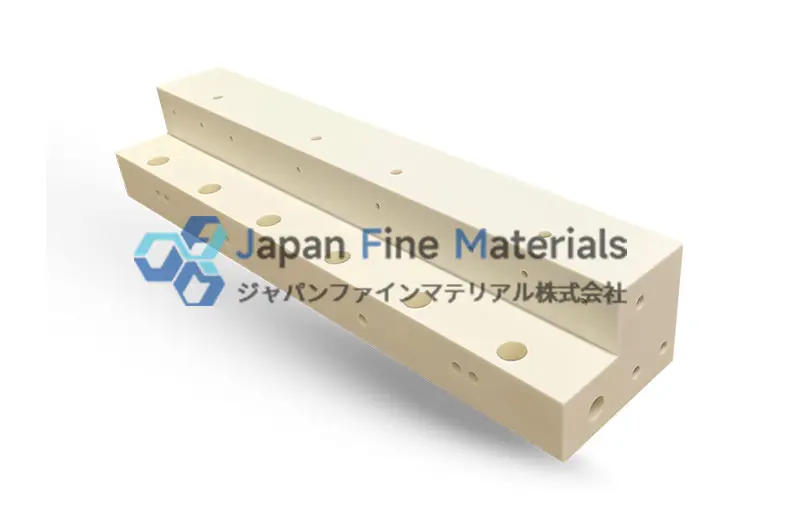
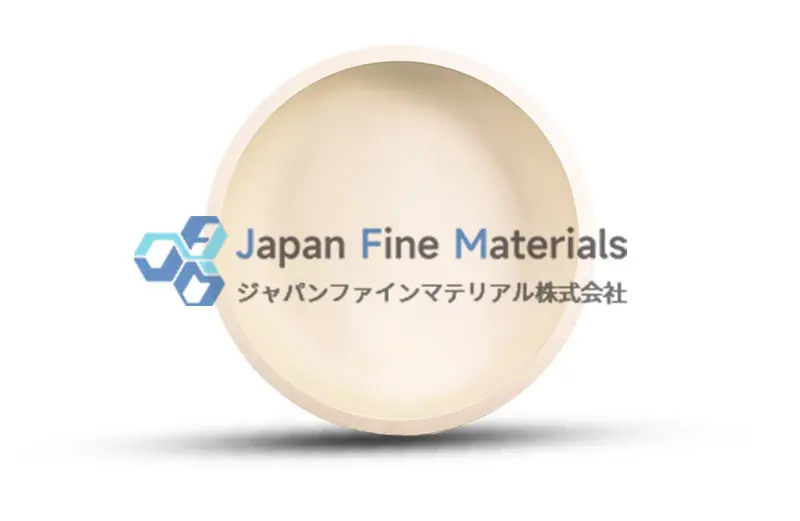
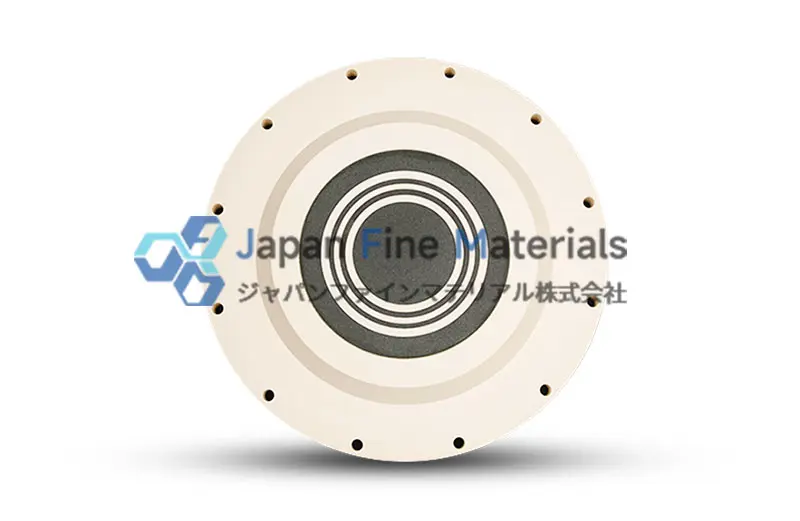
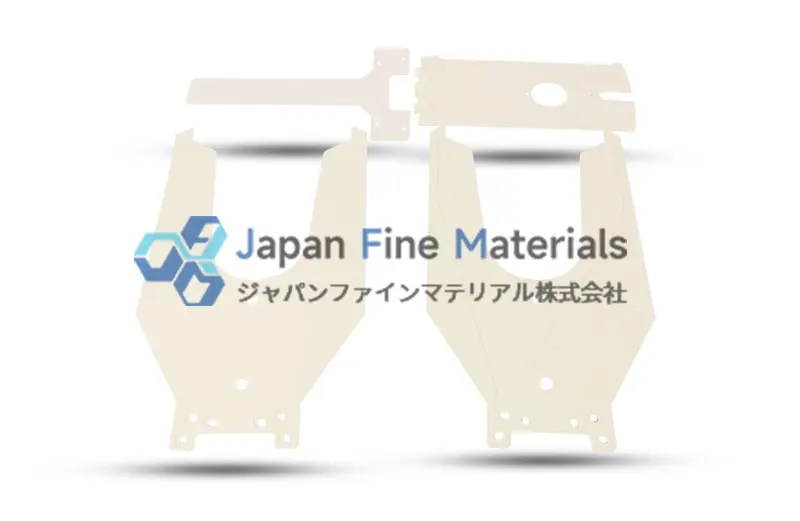
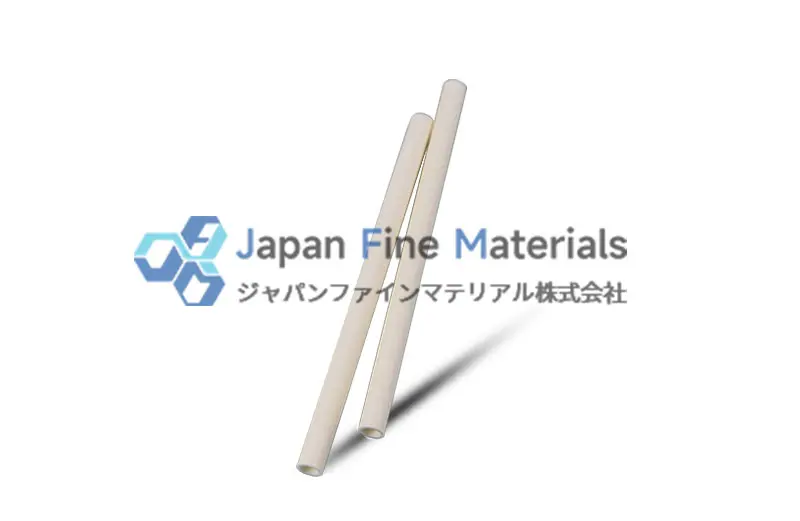
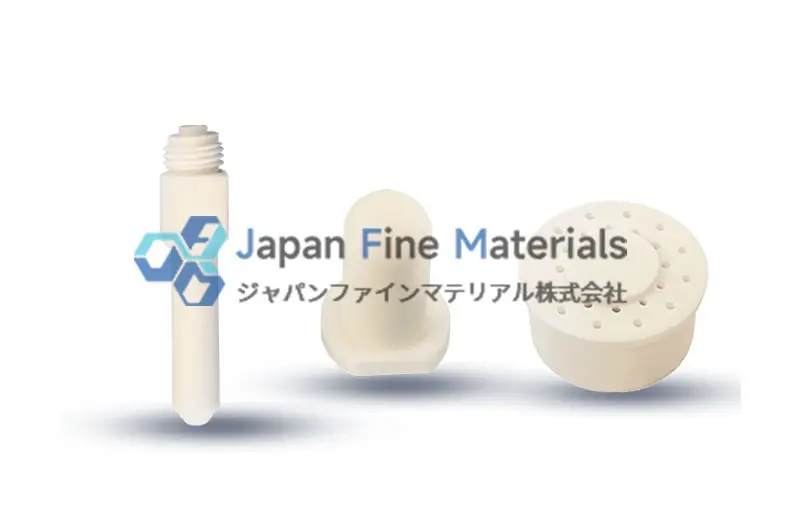
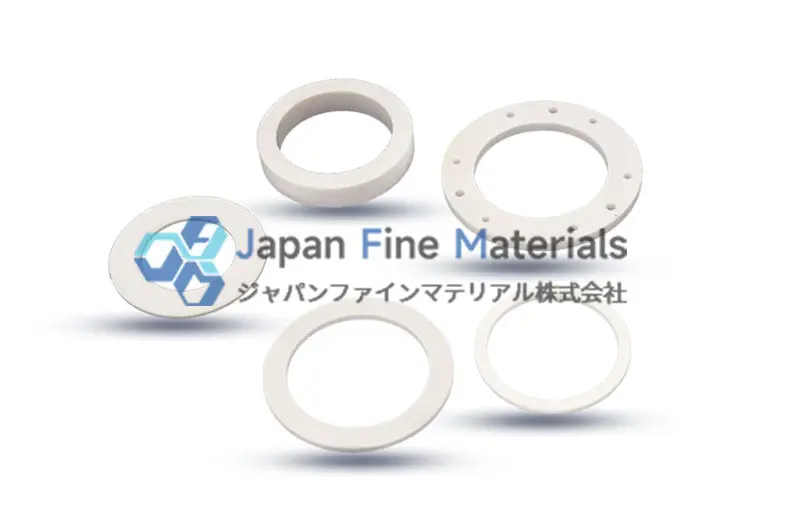
The industrial value of Alumina (Al₂O₃) ceramics lies not only in their excellent physical and chemical properties but also in how those properties contribute to the reliability and long-term stable operation of equipment and systems in various industrial fields. The ability to suppress property variations and ensure stable quality (reproducibility) even under complex operating environments—thanks to rigorous manufacturing processes and quality control across all steps—is a major reason for their adoption in advanced industrial applications.
 |
 |
 |
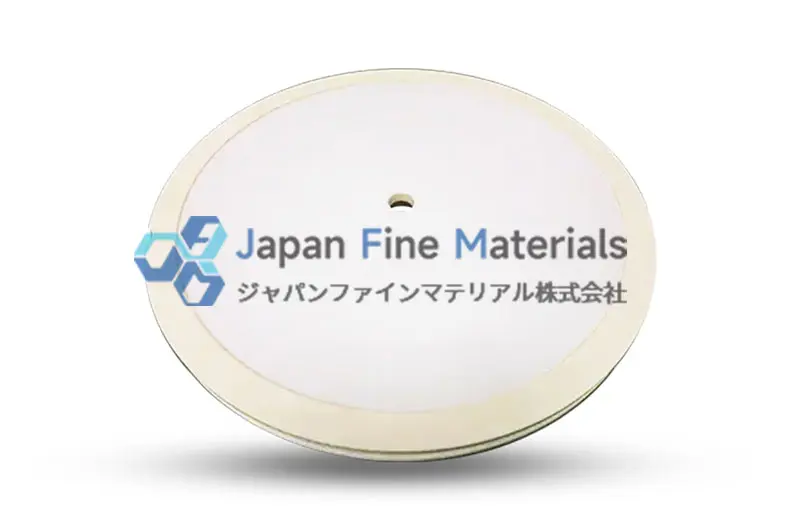 |
| Air Slide | Ceramic Dome | Vacuum Chuck | Ceramic Window |
 |
 |
 |
 |
| Ceramic Arm | Ceramic Rod/Pin | Ceramic Nozzle | Ceramic Ring |
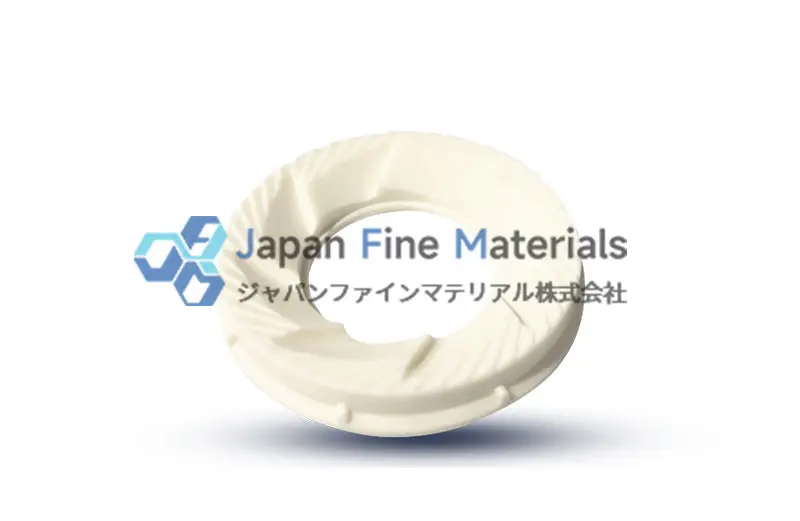 |
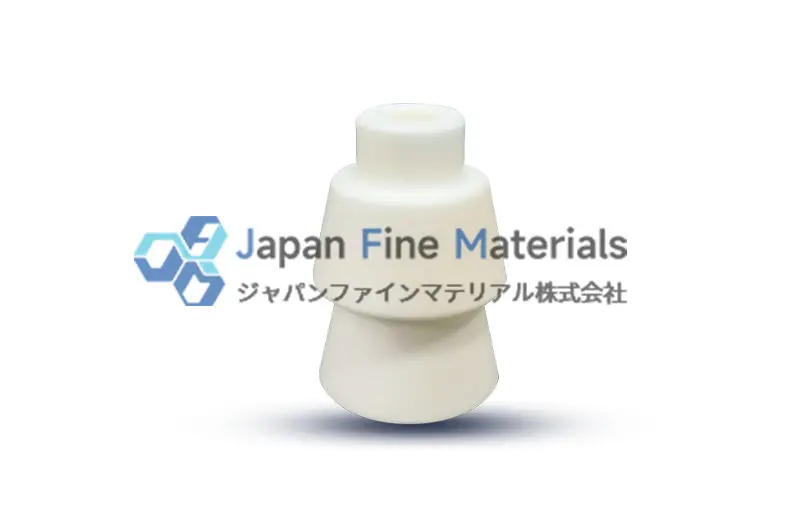 |
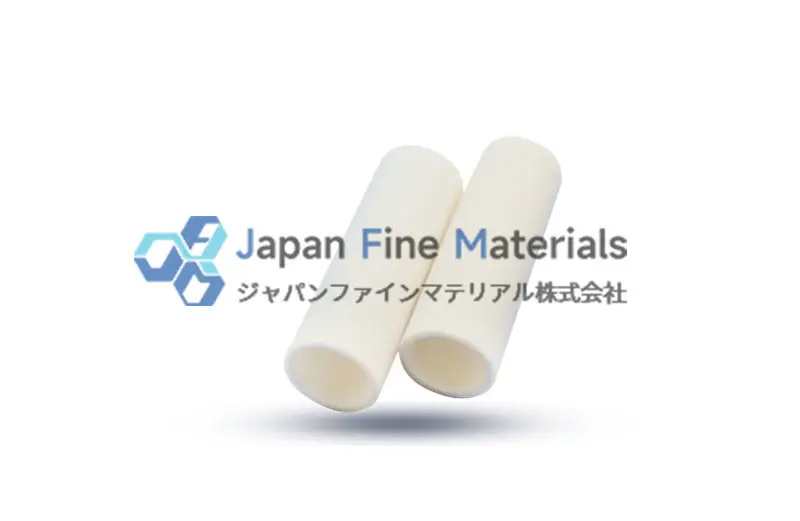 |
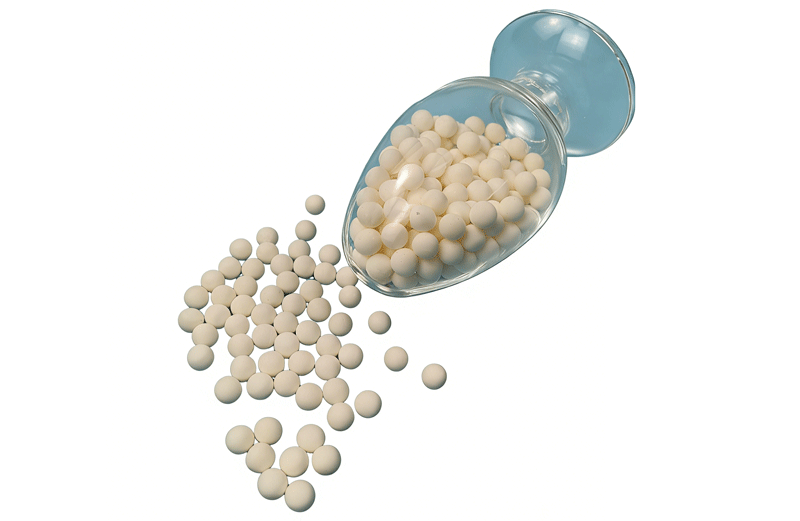 |
| Ceramic Blade | Ceramic Insulating Part | Ceramic Plunger | Ceramic Ball |
1. Material Properties Supporting the Semiconductor & Electronic Fields
In the semiconductor and electronic device manufacturing fields, alumina ceramics are used for wafer support components, insulating substrates, high-precision sensor parts, and electronic packaging materials. Due to high hardness and excellent thermal stability, they demonstrate stable performance even in applications requiring micron-level dimensional precision and electrical insulation. They contribute to the stable operation of equipment parts even in high-temperature environments or high-speed production lines, leading to improved yield and production efficiency.
2. Wear-Resistant & High-Reliability Components in the Mechanical Field
In the mechanical field, they are widely adopted for wear-resistant bushings, slide parts, bearing sleeves, and cutting tools. Due to excellent wear resistance and high strength, extension of component life, reduction of maintenance frequency, and suppression of downtime can be expected. As a result, this contributes to the reduction of operational maintenance costs and the stable operation of production processes.
3. Reliability Improvement in Chemical Equipment & High-Corrosion Environments
In the chemical equipment field, they are used for pump parts, valve seats, pipe linings, and reactor lining members. Due to chemical stability (chemical resistance), they can be used stably over the long term even in harsh environments such as acid, alkali, and salt atmospheres, effectively reducing corrosion risks. This contributes to improved equipment safety, extended life, and improved operational reliability of the entire system.
4. Reliability and Biocompatibility Required in the Medical Field
In the medical field, they are used in artificial joints, dental implants, and surgical instrument components. In addition to high mechanical strength and wear resistance, their biocompatibility and long-term stability are valued, contributing to function maintenance and safety improvement in long-term use.
5. Functional Components in Energy & Environmental Fields
In the energy and environmental fields, they are applied to gas turbine peripheral parts, emission control devices, corrosion-resistant piping, and water treatment facilities. Equipment life extension can be expected due to heat and corrosion resistance, also contributing to stable process operation. It is one of the material options supporting highly efficient energy use and reduction of environmental impact.
6. Consistent Quality Supporting Everything from Manufacturing to Implementation (Value of Process Control)
For alumina ceramics, the control precision of the manufacturing process governs the stability of material properties, and that stability is directly linked to the reliability and practical value of the equipment and system. By optimizing each step from raw material selection to forming, sintering, and post-processing, we can provide reproducible performance for applications, playing an important role as components required in advanced manufacturing and severe operating environments.
Conclusion
The value of Alumina (Al₂O₃) ceramics lies not only in properties such as high hardness, wear resistance, and heat resistance, but also in their ability to maintain stable performance over the long term and the fact that quality can be obtained with high reproducibility. In industrial production, material reliability is directly linked to equipment life, production efficiency, and Total Cost of Ownership (TCO). No matter how high-performance the ceramics are, if the manufacturing process or quality control is insufficient, it can lead to risks such as equipment stoppage, product defects, and increased maintenance costs. That is why selecting a supplier with mature manufacturing technology, strict quality control, and a proven track record is crucial.
JFM emphasizes the material reliability and long-term stability required in industrial applications. In addition to providing high-performance alumina ceramic products, we support customers consistently from material selection to examination of process conditions, specification proposals tailored to applications, and mass production introduction through quality control and technical support across all processes. We support the stable operation of your projects over the long term, even in applications with high requirements such as semiconductors, electronic devices, and precision machinery.
For selection of alumina ceramics, specification review, or custom requests, please contact JFM. We will provide the optimal proposal tailored to your application conditions.