What Is Alumina Ceramic? Properties, Applications, and Grades
-
2026-08-06 Industry News






Explore what alumina ceramic is, including its key properties, purity grades, and industrial applications across electronics, medical, and engineering sectors.
Introduction
In the field of advanced ceramic materials, alumina ceramics are among the most widely used and in highest demand. They can be found in a wide range of industries, including semiconductor equipment, electronic components, industrial automation equipment, medical devices, and chemical processing equipment.
The popularity of alumina ceramics across numerous industries is closely tied to their excellent mechanical properties, electrical insulation, wear resistance, and high cost-effectiveness. At the same time, alumina ceramics of different purity grades exhibit distinct differences in performance and application areas; therefore, understanding their material characteristics and grade classifications is of significant reference value for product selection and engineering design.
What Are Alumina Ceramics?
Alumina ceramics are advanced structural and functional ceramic materials primarily composed of aluminum oxide (Al₂O₃), typically with α-Al₂O₃ as the main crystalline phase, produced through processes such as powder processing, forming, high-temperature sintering, and precision machining.
To optimize sintering behavior and control microstructure, small amounts of additives—such as MgO, SiO₂, and CaO—are typically incorporated into the formulation during manufacturing; in some material systems, a second phase such as ZrO₂ may also be introduced to enhance specific properties. The resulting ceramic products exhibit high hardness, good electrical insulation properties, and excellent wear resistance.
Based on their alumina content, alumina ceramics can be classified into multiple purity grades, such as 85%, 90%, 95%, 96%, 99%, and 99.5% or higher.
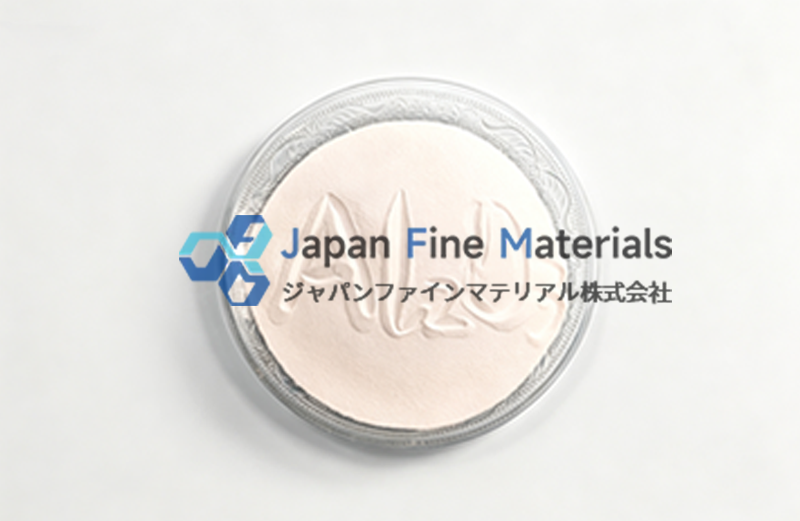
Generally speaking, as the purity of alumina increases, the glass phase and impurity content in the material decrease, and the ceramic’s hardness, wear resistance, and corrosion resistance typically improve accordingly. At the same time, higher purity implies a purer crystalline structure, which helps enhance the material’s volume resistivity and dielectric strength at high temperatures—that is, its electrical insulation properties are optimized.
Performance of Alumina Ceramics
High Hardness and Wear Resistance
One of the most notable characteristics of alumina ceramics is their high hardness.
Their Mohs hardness is typically 9, placing them among the hardest engineering materials, second only to a few superhard materials such as diamond (10) and silicon carbide (approximately 9.5).
This characteristic enables them to exhibit excellent wear resistance under severe conditions such as particle erosion, abrasive wear, and sliding friction, making them widely used in particle conveying pipelines, powder grinding equipment, and high-load mechanical friction pairs.
Good Electrical Insulation Properties
Alumina ceramics are also an excellent insulating material, featuring high volume resistivity and dielectric strength.
As a result, they are commonly used in the electronics and electrical fields for circuit boards, electronic packaging housings, insulating sleeves, and other applications.
For many electronic devices, alumina ceramics not only provide structural support but also serve as electrical insulators.
Excellent High-Temperature Resistance
Alumina ceramics have a high melting point and good high-temperature stability.
In sustained high-temperature environments (such as 800–1000°C), the material maintains good dimensional stability and mechanical strength, and is not prone to softening or significant deformation. With a melting point as high as 2050°C, it exhibits excellent thermal shock resistance.
Consequently, they are frequently used in industrial furnace equipment, heat treatment systems, high-temperature sensors, and similar applications.
Compared to some engineering plastics and common metallic materials, alumina ceramics have a broader range of applications in high-temperature environments.
Good Chemical Stability
Alumina ceramics possess excellent chemical corrosion resistance and demonstrate good resistance to erosion by most strong acids, strong alkalis, and organic solvents.
In chemical processing, environmental protection, and laboratory equipment, their material stability is often leveraged to minimize the impact of media on components, thereby enhancing equipment operational reliability.
For components that are in long-term contact with corrosive media, material stability is often more important than mechanical properties.
High Mechanical Strength
Although the inherent brittleness of ceramic materials limits their impact resistance ,ceramics typically possess high compressive strength and elastic modulus, performing well under operating conditions dominated by compressive stress and featuring a well-designed structure.alumina
When properly engineered, alumina ceramics can meet the load-bearing capacity and dimensional stability requirements of many industrial applications.
Detailed Explanation of Alumina Ceramic Grades
Alumina content is a key factor in distinguishing between grades of alumina ceramics; different grades correspond to different properties and application scenarios.
|
Grade |
Alumina Content |
Key Features |
Typical Applications |
|
85% |
≥85% |
Relatively low cost |
General-purpose industrial wear parts |
|
90% |
≥90% |
Well-balanced overall performance |
Machinery and equipment components |
|
95% |
≥95% |
Wide range of applications |
Electronic Insulation Components, Wear-Resistant Parts |
|
96% |
≥96% |
Outstanding electrical performance |
Circuit boards, electronic ceramics |
|
99% |
≥99% |
High purity, high wear resistance |
Semiconductor equipment components |
|
99.5% or higher |
≥99.5% |
Low impurity content, suitable for high-purity applications |
Precision manufacturing, semiconductors, and scientific research |
Common Types of Alumina Ceramics
Thanks to mature forming, sintering, and precision machining processes, alumina ceramics can be manufactured into a variety of standard and custom components to meet the application needs of different industrial sectors. The following are some of the more common types of alumina ceramic products:
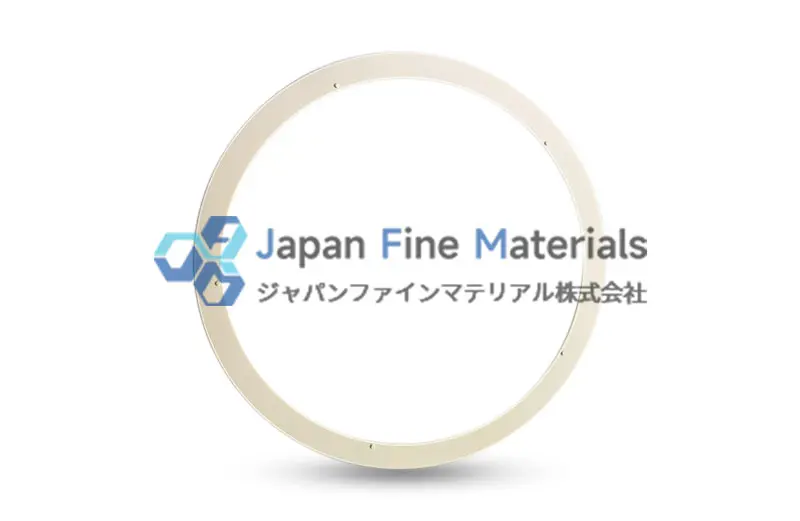
• Alumina Ceramic Rings: Alumina ceramic rings offer excellent wear resistance, electrical insulation, and chemical stability. They are commonly used in mechanical seal systems, pump and valve equipment, semiconductor equipment, and automated machinery, where they serve functions such as support, positioning, and sealing.
• Alumina Ceramic Tubes: Alumina ceramic tubes combine high-temperature resistance, electrical insulation, and corrosion resistance. They are widely used in industrial furnace equipment, thermocouple protection tubes, sensor assemblies, and electronic and electrical equipment.
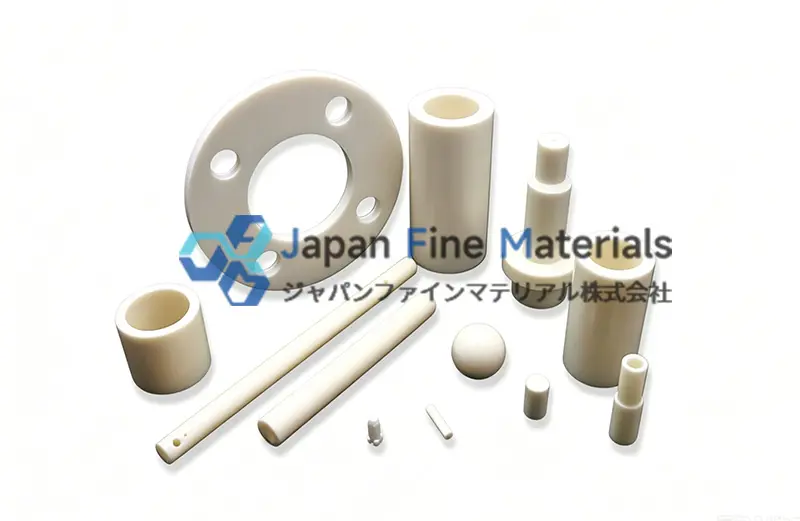
• Alumina Ceramic Sheets: Alumina ceramic sheets offer high mechanical strength and electrical insulation properties, making them suitable for use as electronic substrates, insulating spacers, wear-resistant liners, and structural components in various industrial equipment.
• Alumina Ceramic Rods: Alumina ceramic rods offer excellent rigidity and dimensional stability and are commonly used in guide mechanisms, positioning components, insulating supports, and functional structural components in precision equipment.
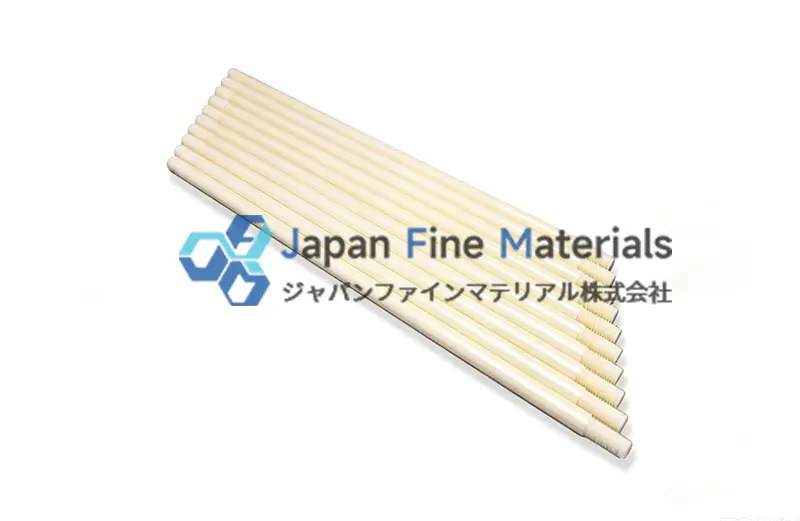
• Alumina Ceramic Nozzles: Alumina ceramic nozzles offer excellent wear resistance and corrosion resistance, making them suitable for sandblasting equipment, spray coating equipment, powder conveying systems, and other applications requiring long-term resistance to media erosion.
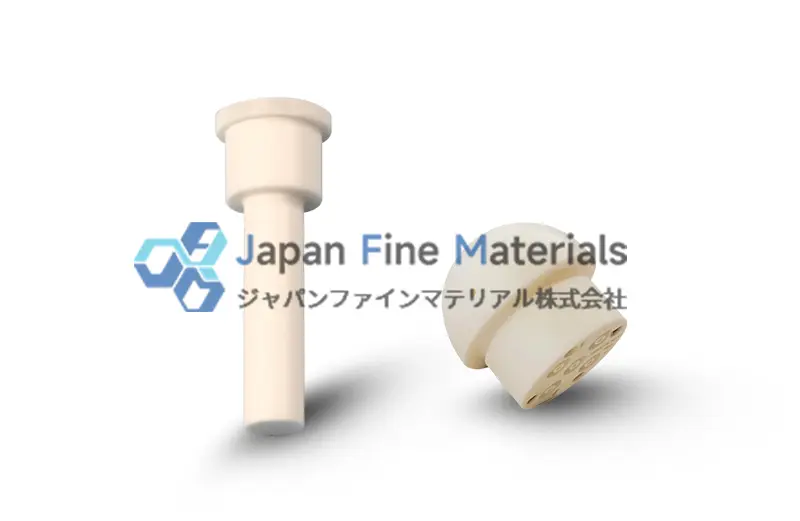
• Alumina Ceramic Substrates: Alumina ceramic substrates are one of the most common base materials in the electronics industry. They provide insulating support for circuits and electronic components and are widely used in power modules, sensors, and electronic packaging.
• Alumina Ceramic Guide Rails: Alumina ceramic guide rails feature high hardness, wear resistance, and dimensional stability. They are commonly used in automated equipment, precision transmission systems, and semiconductor manufacturing equipment to provide stable guidance for moving parts.
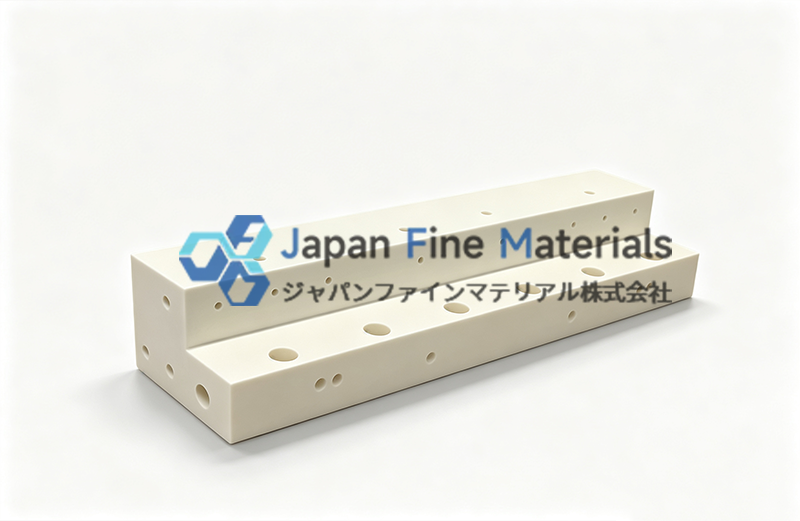
• Alumina Ceramic Insulators: Thanks to their excellent electrical insulation and high-temperature resistance, alumina ceramic insulators are widely used in connectors, high-voltage equipment, electrical systems, and electronic components.
• Alumina Ceramic Vacuum Chuck: Alumina ceramic vacuum chuck are primarily used in the semiconductor, electronics manufacturing, and precision machining industries. Their excellent insulation properties, corrosion resistance, and dimensional stability enable them to perform reliably in production environments with high precision and cleanliness requirements.
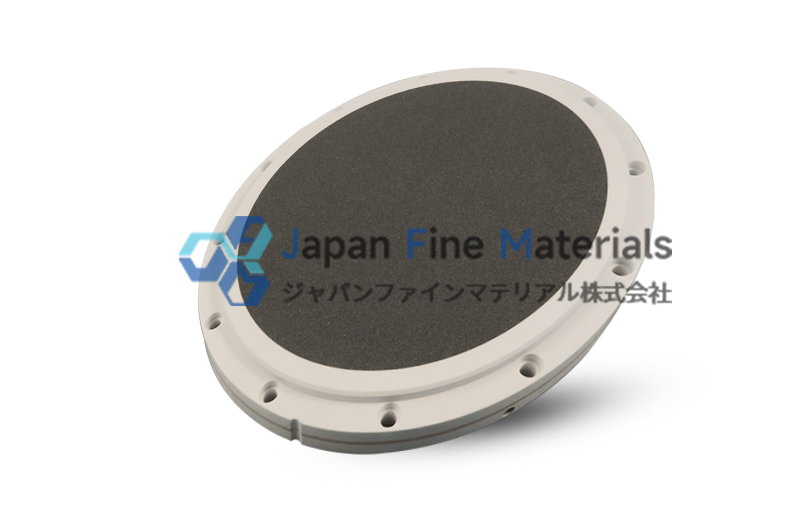
• Custom Alumina Ceramic Structural Components: To meet the needs of various equipment and processes, alumina ceramics can be machined into a wide range of complex structural components. These are widely used in semiconductor equipment, automation systems, electronics manufacturing, and precision industries to satisfy the design requirements of specific applications.
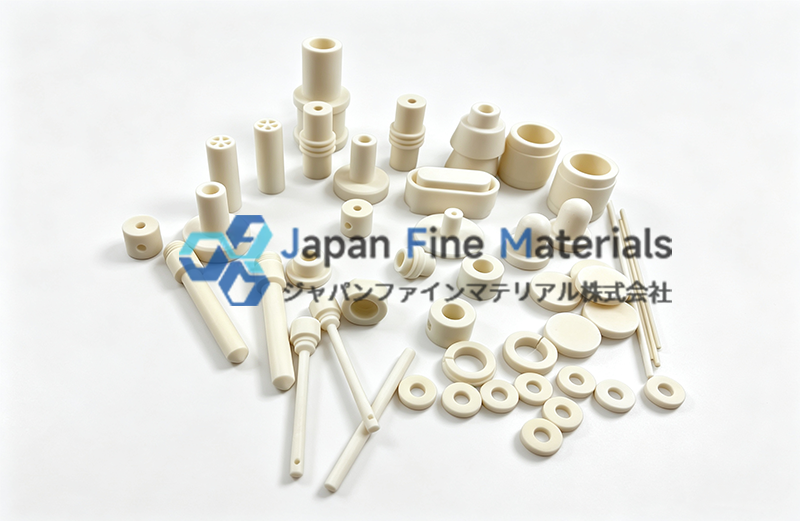
Through combinations of different purity grades, structural designs, and processing techniques, alumina ceramics can meet a wide range of application needs, from electrical insulation to wear-resistant mechanical components. This is one of the key reasons for their long-standing and widespread use in the advanced ceramic materials market.
Alumina Ceramics Manufacturing Process
The performance of alumina ceramics depends not only on material purity but is also closely related to the manufacturing process. A typical production workflow includes:
Raw Material Preparation
High-purity alumina powder undergoes batching, mixing, and ball milling to achieve a more uniform particle size distribution.
Forming Process
Depending on the product structure, dry pressing, isostatic pressing, injection molding, slurry casting, and extrusion can be used.
Different processes are suitable for products of varying shapes and sizes.
For example, ceramic tubes are typically produced using the extrusion process, while complex structural components may be produced using injection molding.
High-Temperature Sintering
The formed green body must undergo high-temperature sintering.
During sintering, the powder particles gradually bond to form a dense structure, thereby achieving the desired mechanical and electrical properties.
The quality of sintering often directly affects the product’s density, strength, and dimensional stability.
Precision Machining
For products with high dimensional accuracy requirements, further machining is necessary.
Common processes include diamond grinding, polishing, drilling, and slotting; if used for electronic packaging or circuit interconnections, metallization may also be required.
In particular, ceramic components used in semiconductor equipment often require high dimensional accuracy and surface quality.
Applications of Alumina Ceramics
Semiconductor Manufacturing
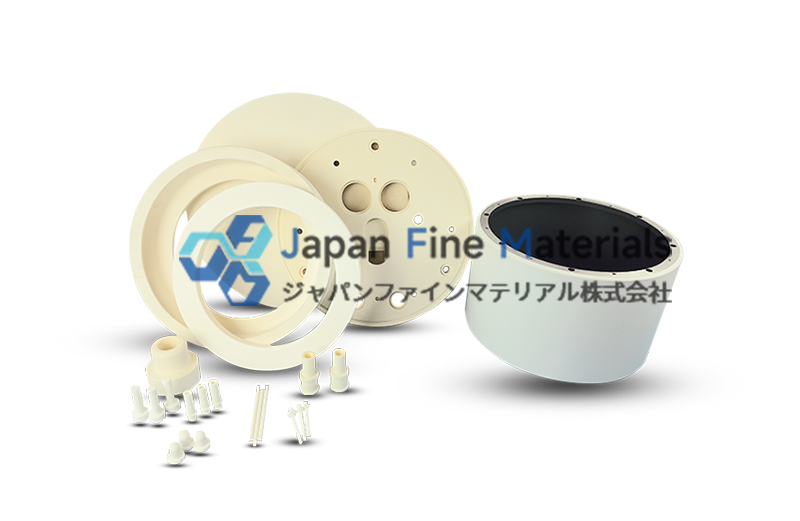
As chip manufacturing processes continue to advance, the requirements for the cleanliness and stability of equipment materials are becoming increasingly stringent. Alumina ceramics are commonly found in:
• Wafer processing equipment
• Vacuum chamber components
• Insulating support components
• Robotic end-effectors
Provided that material purity, cleaning, and machining quality are properly controlled, their low particulate content, low contamination risk, and excellent insulating properties can meet the requirements of many processes.
Electronics and Electrical Industries
The electronics industry is one of the key application markets for alumina ceramics. Common products include:
• Ceramic substrates
• Electronic packaging housings
• Power module bases
• Insulating spacers
• Connector components
Industrial automation equipment
In automated production lines, alumina ceramics are frequently used in:
• Guidance mechanisms
• Wear-resistant sliders
• Positioning components
• Conveyor system components
Their high hardness makes them well-suited for long-term operational conditions.
Chemical and Environmental Protection Equipment
For equipment that comes into contact with corrosive media, alumina ceramics offer significant application value and are commonly used in:
• Valve linings
• Pump components
• Fluid control systems
• Chemical processing equipment
Medical and laboratory equipment
High-purity alumina ceramics can also be used for:
• Laboratory analytical equipment
• Medical diagnostic instruments
• Precision measurement systems
• Optical equipment components
How to Select the Right Alumina Ceramics?
During the actual procurement and design process, you can evaluate them based on the following aspects:
• Operating temperature range: High-temperature environments typically require materials with higher purity and greater density.
• Wear Mechanisms: Evaluate a material’s hardness, fracture toughness, surface roughness, and wear resistance based on the primary wear modes the equipment is subjected to, such as abrasive wear, erosion, sliding wear, or fatigue failure.
• Electrical Performance Requirements: For electronic equipment, attention must be paid to insulation performance and dielectric properties.
• Chemical Environment: For acidic or alkaline environments, material suitability must be evaluated in conjunction with the type of medium.
• Product Precision Requirements: For high-precision parts, both material grade and machinability must be considered.
• Project Budget: Not all projects require the highest purity grade; striking a reasonable balance between performance and cost typically better meets engineering requirements.
Conclusion
As a key representative of advanced ceramic materials, alumina ceramics are widely used across industries such as electronics, electrical engineering, semiconductors, mechanical manufacturing, and chemicals, thanks to their excellent insulation, wear resistance, high-temperature resistance, and chemical stability.
As industrial equipment demands for performance and reliability continue to rise, alumina ceramics will maintain their significant application value in the future. For enterprises, a thorough understanding of material properties and grade differences facilitates more effective product design and material selection.
Contact JFM for Professional Alumina Ceramics Solutions
If you are looking for suitable for semiconductor equipment, electronic insulation components, or wear-resistant alumina ceramic products, JFM offers a variety of purity grades and custom processing services Whether you need ceramic rings, ceramic tubes, ceramic systems., or complex structural components, our team can provide material selection recommendations and manufacturing support based on your application requirements, drawings, and operating conditions.discs
Please contact JFM to learn more about our alumina ceramics products and custom solutions.